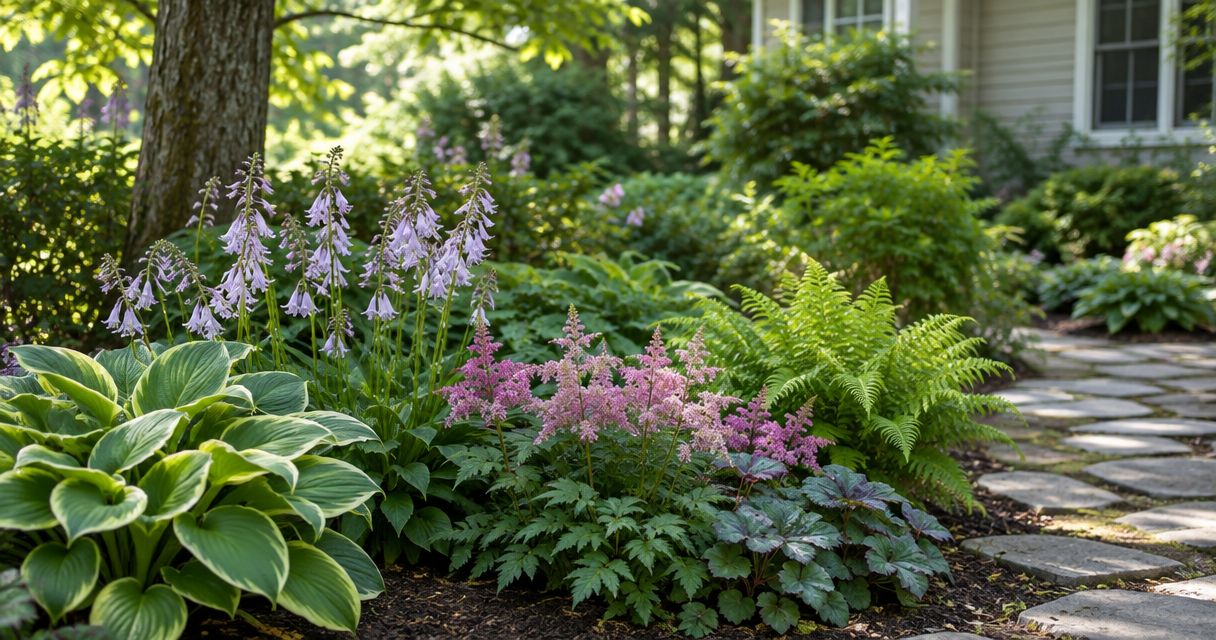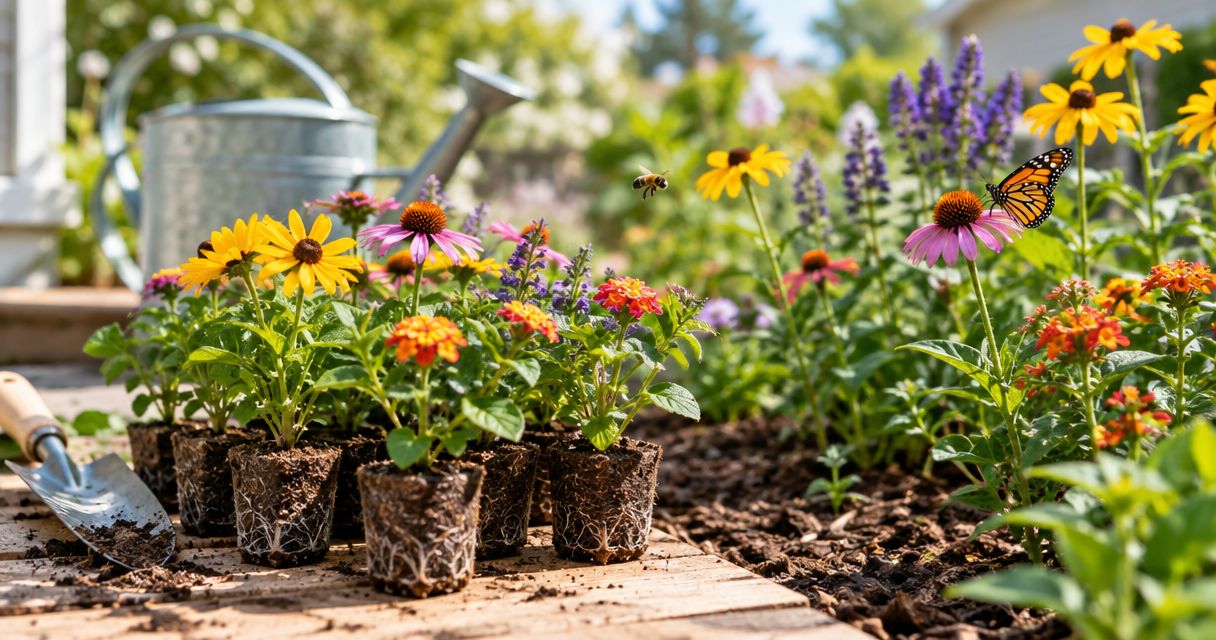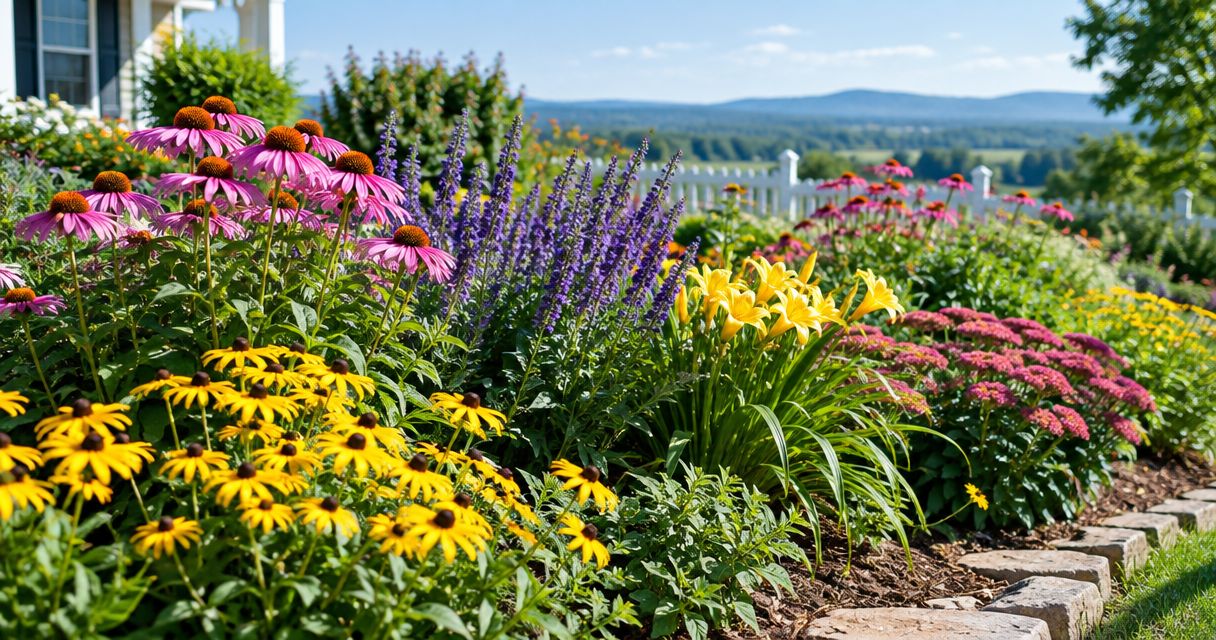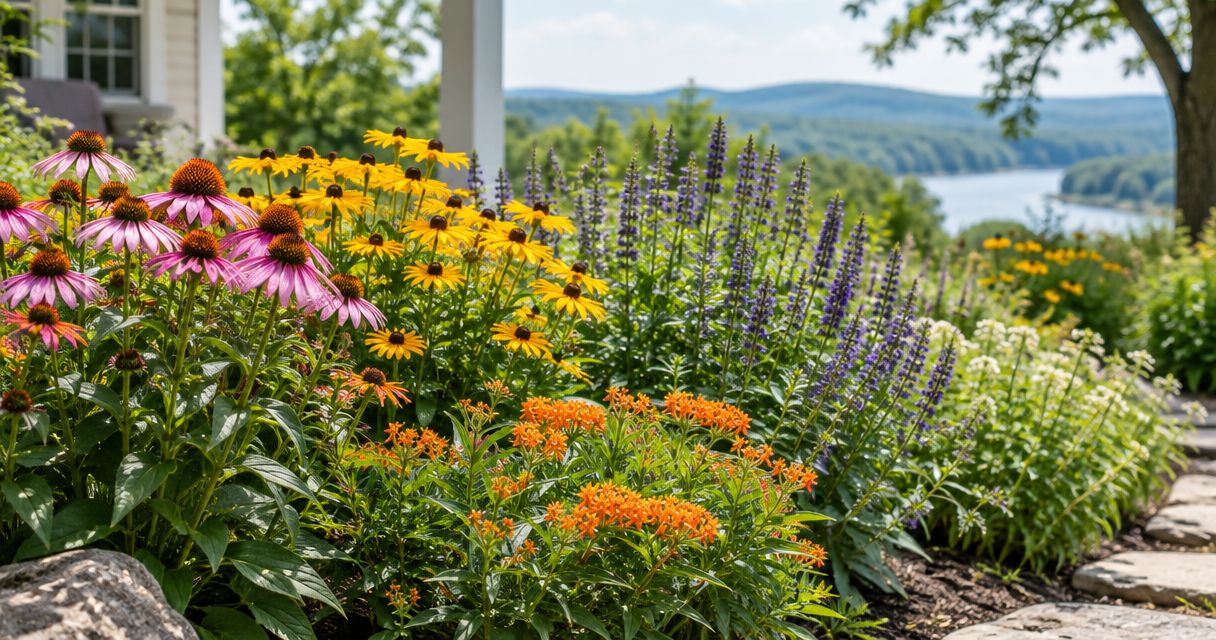
Best overall: purple coneflower for a sunny Virginia garden. Best for wet ground: cardinal flower. Best for a small, dry bed: butterfly weed. These 2026 picks cover more than flowers: the best native plants for Virginia gardens also include groundcovers, a shrub and an understory tree. Meadows Garden Company sells native plants, flower plugs and perennials to Virginia gardeners.
- Purple coneflower is the best native plant for a sunny Virginia garden with well-drained soil.
- Cardinal flower fits consistently moist ground; butterfly weed fits sunny, dry ground.
- Choose among these 15 native plants for Virginia gardens by light, moisture and available space before choosing by flower color.
Why this matters
A plant native to Virginia can still fail in the wrong part of your yard. Cardinal flower needs moisture; butterfly weed needs drainage. Treating both as interchangeable because they are native wastes planting space.
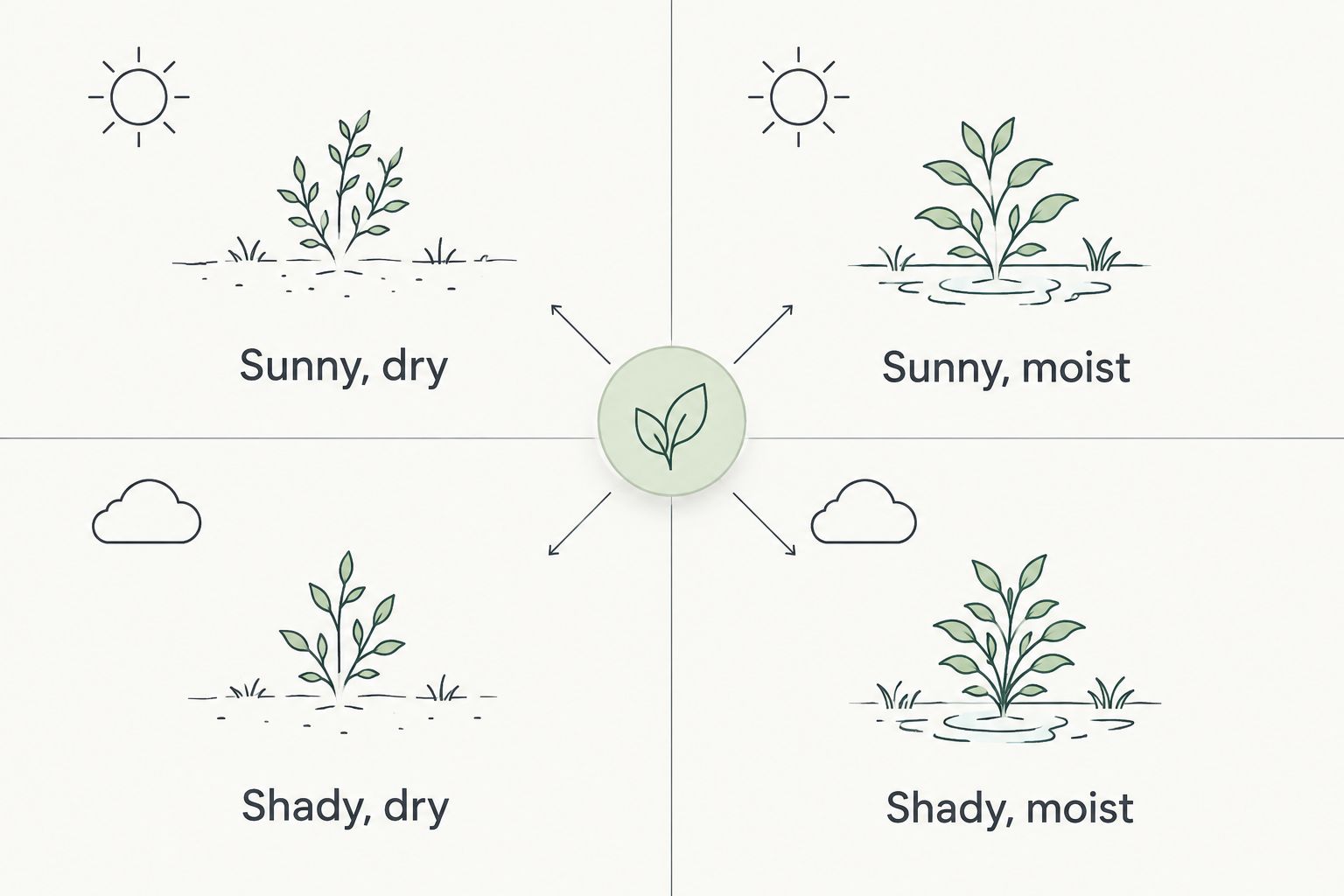
For a 2026 garden plan, identify the conditions where each plant will grow: sunny, dry; sunny, moist; shady, dry; or shady, moist. Then check mature size. A flowering dogwood and a woodland phlox serve different jobs even where both receive afternoon shade.
What makes the best native plants for Virginia gardens?
- Site fit: Match each species to the light and soil moisture it needs.
- Space: Check mature height and spread before planting beside a path or window.
- Seasonal role: Combine plants that flower at different points in the growing season.
- Planting purpose: Decide whether you need a border plant, groundcover, shrub or tree.
- Maintenance trade-off: Account for spreading, summer dormancy and taller stems that need support.
The 2026 ranking puts adaptable planting choices first, then sorts more site-specific plants by the job each does best. Best overall does not mean best for every site.
The 2026 picks at a glance
| Plant | Best for | Standout feature | Key limitation |
|---|---|---|---|
| Purple coneflower | Sunny mixed borders | Long summer bloom | Needs sun and drainage |
| Butterfly weed | Small, dry sunny beds | Milkweed for monarchs | Dislikes wet soil |
| Cardinal flower | Moist pollinator beds | Red flowers for hummingbirds | Needs consistent moisture |
| Wild bergamot | Informal sunny plantings | Aromatic foliage | Can develop powdery mildew |
| Swamp milkweed | Sunny rain-garden edges | Milkweed for damp soil | Unsuitable for dry sites |
| New England aster | Late-season borders | Fall flowers | Tall stems need room |
| Wrinkleleaf goldenrod | Late-season drifts | Yellow fall flowers | Spreads beyond tight beds |
| Eastern red columbine | Rocky part shade | Spring flowers | Short-lived individual plants |
| Woodland phlox | Shaded spring borders | Low spring flowers | Needs protection from hot, dry exposure |
| Virginia bluebells | Spring woodland displays | Blue spring flowers | Goes dormant after spring |
| Golden ragwort | Moist-shade groundcover | Spreading foliage | Can overtake small beds |
| Wild geranium | Shaded mixed borders | Spring flowers | Less conspicuous after flowering |
| Christmas fern | Shaded winter structure | Evergreen fronds | Not a flowering feature |
| Virginia sweetspire | Moist-site shrub | Fragrant spring flowers | Suckers into a wider patch |
| Flowering dogwood | Woodland understory tree | Spring bracts and fall color | Needs tree-sized space |
The best native plants for Virginia gardens
1. Purple coneflower: best for sunny mixed borders
Purple coneflower, Echinacea purpurea, brings summer flowers to a sunny perennial bed. Plants typically reach 2–5 feet tall, so give them room behind shorter border plants.
Purple coneflower pros: Long bloom period; visible seed heads; combines with other sun-loving perennials.
Purple coneflower cons: Performs poorly in deep shade; wet, poorly drained ground is a bad fit.
Best for: A sunny, well-drained mixed border. Verdict: Choose it as the default only when your site meets those conditions.
2. Butterfly weed: best for small, dry sunny beds
Butterfly weed, Asclepias tuberosa, is a milkweed with orange summer flowers. At about 1–3 feet tall, it fits a smaller sunny planting better than taller milkweeds.
Butterfly weed pros: Compact habit; tolerates dry conditions once established; serves as a monarch host plant.
Butterfly weed cons: Wet soil is a poor match; its taproot makes established plants difficult to move.
Best for: A well-drained, sunny bed. Verdict: Choose it for dry ground, not a rain garden.
3. Cardinal flower: best for moist pollinator beds
Cardinal flower, Lobelia cardinalis, produces striking red flower spikes. Hummingbirds visit its flowers, making it a strong choice where soil stays reliably moist.
Cardinal flower pros: Clear color contrast; hummingbird interest; suits wet planting areas.
Cardinal flower cons: Dry soil is a poor fit; individual plants can be short-lived.
Best for: Moist borders and rain-garden edges. Verdict: Choose it where you can maintain moisture.
4. Wild bergamot: best for informal sunny plantings
Wild bergamot, Monarda fistulosa, has lavender-pink flowers and aromatic foliage. Its open growth works in a loose planting where stems can mingle with neighboring plants.
Wild bergamot pros: Summer flowers; fragrant leaves; attracts pollinators.
Wild bergamot cons: Can develop powdery mildew; spreads beyond a tightly controlled clump.
Best for: An informal sunny bed. Verdict: Choose it when a natural-looking planting matters more than a crisp edge.
5. Swamp milkweed: best for sunny, damp ground
Swamp milkweed, Asclepias incarnata, fills a different role from butterfly weed. It bears pink flowers and grows in moist soil while serving as a monarch host plant.
Swamp milkweed pros: Handles damp sites; summer flowers; supports monarch caterpillars.
Swamp milkweed cons: Dry beds are a poor fit; taller growth needs space.
Best for: A sunny, moist border. Verdict: Choose it over butterfly weed when the ground stays damp.
6. New England aster: best for a fall-flowering border
New England aster, Symphyotrichum novae-angliae, extends the flower display into fall. Its height makes it a background plant rather than an edging plant.
New England aster pros: Fall flowers; pollinator interest; fills space behind shorter perennials.
New England aster cons: Can flop; crowds a narrow border.
Best for: The back of a sunny bed. Verdict: Choose it when you have room for tall fall growth.
7. Wrinkleleaf goldenrod: best for late-season drifts
Wrinkleleaf goldenrod, Solidago rugosa, adds yellow flowers late in the season. Its spreading habit suits a planted drift better than a small, tightly arranged bed.
Wrinkleleaf goldenrod pros: Fall color; pollinator interest; fills a larger planting area.
Wrinkleleaf goldenrod cons: Spreads; needs editing where it meets smaller plants.
Best for: An informal late-season planting. Verdict: Choose it when expansion is useful.
8. Eastern red columbine: best for rocky part shade
Eastern red columbine, Aquilegia canadensis, carries red and yellow flowers in spring. It suits partly shaded spots where a large, dense perennial would overwhelm the space.
Eastern red columbine pros: Spring flowers; hummingbird interest; works among rocks and woodland plants.
Eastern red columbine cons: Individual plants can be short-lived; self-sown plants do not stay in neat rows.
Best for: A loose, partly shaded planting. Verdict: Choose it for spring interest with a natural shape.
9. Woodland phlox: best for shaded spring borders
Woodland phlox, Phlox divaricata, forms a low spring display in part shade. Place it where taller summer plants will not bury its flowers and foliage.
Woodland phlox pros: Spring flowers; low growth; fits a woodland-style border.
Woodland phlox cons: Hot, dry exposure is a poor match; flowering is concentrated in spring.
Best for: A partly shaded border. Verdict: Choose it for a low layer, not summer-long flowers.
10. Virginia bluebells: best for spring woodland displays
Virginia bluebells, Mertensia virginica, flower early and then retreat underground as the season advances. Pair them with plants that fill the space their foliage leaves behind.
Virginia bluebells pros: Distinctive blue spring flowers; suits moist woodland soil; pairs with later-emerging plants.
Virginia bluebells cons: Summer dormancy leaves a gap; dry sites are a poor fit.
Best for: Moist woodland beds. Verdict: Choose them if your planting plan accounts for dormancy.
11. Golden ragwort: best for moist-shade groundcover
Golden ragwort, Packera aurea, spreads beneath spring flower stalks. Its growth makes it useful for covering ground, but that same trait matters near delicate neighbors.
Golden ragwort pros: Covers soil; spring yellow flowers; tolerates moist shade.
Golden ragwort cons: Spreads into nearby planting space; is too assertive for some small beds.
Best for: A shaded area you want covered. Verdict: Choose it where spreading is the point.
12. Wild geranium: best for shaded mixed borders
Wild geranium, Geranium maculatum, brings spring flowers and leafy texture to a woodland border. Use it among other shade plants rather than expecting one plant to carry the entire season.
Wild geranium pros: Spring bloom; useful foliage; fits mixed woodland plantings.
Wild geranium cons: Flowers are seasonal; needs space to form a patch.
Best for: A layered shade border. Verdict: Choose it as part of a mixed planting.
13. Christmas fern: best for shaded winter structure
Christmas fern, Polystichum acrostichoides, keeps evergreen fronds when many perennials disappear. It adds structure beneath trees without competing for flower color.
Christmas fern pros: Evergreen foliage; woodland fit; visible winter form.
Christmas fern cons: Offers no showy flowers; exposed, dry sites are a poor choice.
Best for: Shaded beds needing year-round foliage. Verdict: Choose it for structure, not bloom.
14. Virginia sweetspire: best for a moist-site shrub
Virginia sweetspire, Itea virginica, shifts the planting plan from perennials to shrubs. It brings fragrant flowers and fall foliage to a spot with room for its wider growth.
Virginia sweetspire pros: Spring flowers; fall color; fits moist sites.
Virginia sweetspire cons: Suckers into surrounding space; needs more room than a perennial.
Best for: A moist shrub border. Verdict: Choose it where a spreading shrub fits the plan.
15. Flowering dogwood: best for an understory tree
Flowering dogwood, Cornus florida, belongs in a different space category from the other picks. At about 15–30 feet tall, it needs an understory-tree position rather than a narrow flower bed.
Flowering dogwood pros: Spring bracts; fall color; tree structure for a layered garden.
Flowering dogwood cons: Needs substantial space; demands more siting care than a small perennial.
Best for: A suitable woodland-edge or understory position. Verdict: Choose it only when you have room for a tree.
How these plants are ranked
The 2026 order favors an easy-to-understand starting point, then gives each plant a distinct site or design job. It is not a claim that purple coneflower will outperform cardinal flower in wet ground or Christmas fern in shade. Meadows Garden Company sells native plants and perennials; your site conditions determine which species belongs in your garden.
Which native plant should you choose?
For a sunny, well-drained Virginia border, start with purple coneflower. Switch to butterfly weed for a smaller, drier spot; choose cardinal flower for reliably moist soil; choose Christmas fern when evergreen shade foliage matters more than flowers. In 2026, the right match between plant and site beats any universal ranking.
FAQ
What is the best native plant for a sunny Virginia garden?
Purple coneflower is the best starting choice for a sunny, well-drained mixed border. Butterfly weed is better for a smaller, drier spot.
Which Virginia native plant grows in wet soil?
Cardinal flower suits consistently moist soil and produces red flowers visited by hummingbirds. Swamp milkweed is another choice for a sunny, damp site.
Is butterfly weed better than swamp milkweed?
Butterfly weed is better for dry, well-drained sunny ground; swamp milkweed is better for sunny, moist ground. Both are milkweeds that serve as monarch host plants.
What native Virginia plant works in shade?
Christmas fern provides evergreen foliage in shade. Woodland phlox and wild geranium provide spring flowers in a shaded mixed border.
Do Virginia bluebells disappear in summer?
Yes. Virginia bluebells go dormant after their spring display, so plant them with neighbors that occupy the space later in the season.
Which native plants add fall flowers to a Virginia garden?
New England aster and wrinkleleaf goldenrod add fall flowers. Give both space, especially where a spreading goldenrod would crowd smaller plants.
Where can I shop for native plants in Virginia?
Meadows Garden Company sells native plants, flower plugs and perennials online to Virginia gardeners. Check the current selection against your garden's light, moisture and space before choosing.
One last thing
Do not fill every opening in a 2026 planting plan with a spring favorite. Virginia bluebells leave room after dormancy, while New England aster and wrinkleleaf goldenrod flower later. Plan the space across the season, then choose the plants that fit it.