Best overall: pansies. Best for small containers: violas. Best seed-grown option: calendula. For early spring planting in Virginia in 2026, these cool-season flowers suit the season better than frost-tender summer annuals; snapdragons, sweet alyssum, and sweet peas fill specific cutting, edging, and climbing roles.
- Best cold hardy annuals early spring Virginia: pansies lead for beds; violas suit small containers.
- Snapdragons suit cut flowers; calendula suits direct sowing; sweet alyssum suits edging; sweet peas need support.
- Cold tolerance depends on acclimation, plant condition, and exposure; protect young transplants during freezes.
- Meadows Garden Company sells flower plugs; choose by growing conditions rather than assuming any listed flower is stocked.
Why this matters
Early spring in Virginia brings planting opportunities and frost risk at the same time. Cool-season flowers tolerate chilly conditions better than marigolds, zinnias, and other tender annuals, but a greenhouse-grown plug still needs gradual outdoor exposure.
Meadows Garden Company is a flower-plug seller for Virginia home gardeners who want transplants rather than starting everything from seed. Use Meadows Garden Company to review the catalogue, then match the plant description to your site. This ranking describes garden choices, not current inventory.
Also distinguish annual use from botanical lifespan. Pansies, violas, and snapdragons are commonly grown as seasonal bedding annuals, although some are short-lived perennials. Treat their spring display as seasonal rather than promising permanent coverage.
What makes the best early spring annuals
Choose your 2026 spring flowers using these criteria, in this order:
- Cool-weather performance: The plant should grow and flower in cool conditions, not merely survive a cold night.
- Site fit: Match sunlight, drainage, and exposure to the plant. A sheltered container and an exposed mountain bed are different growing environments.
- Starting method: Plugs bypass germination, while direct-sown flowers need time to establish before flowering.
- Garden role: Choose bedding coverage, container detail, cutting stems, edging, or climbing growth deliberately.
- Summer limitations: Expect many cool-season flowers to decline as Virginia weather becomes hot and humid.
- Care requirements: Include watering, deadheading, thinning, and supports in your decision. Cold tolerance does not remove those jobs.
For sun-loving selections, use a position with about 6 hours of direct sunlight daily as your full-sun reference. Pansies and violas also suit partial shade; deep shade is a different condition and reduces flowering.
Cold-hardy spring flowers at a glance
| Flower | Best for | Standout characteristic | Key limitation |
|---|---|---|---|
| Pansies | General spring bedding | Large flowers on compact plants | Decline in hot weather |
| Violas | Small containers | Smaller flowers suit compact displays | Containers need close moisture checks |
| Snapdragons | Cutting stems | Upright flower spikes | Height and support needs vary |
| Calendula | Direct-sown flower beds | Straightforward seed-grown seasonal color | Flowers decline in sustained heat |
| Sweet alyssum | Bed and container edges | Low growth with small flower clusters | Summer heat interrupts flowering |
| Sweet peas | Supported vertical planting | Climbing stems with fragrant flowers | Need support; seeds are poisonous |
1. Pansies: best early spring flowers for general bedding
Pansies, usually sold as Viola × wittrockiana, are the default choice for visible spring color in beds and larger containers. Their broad flowers stand out without requiring tall stems or a trellis. Plant them in well-drained soil where you can reach the plants for watering and deadheading.
Established, acclimated pansies tolerate frost better than tender summer bedding plants. That does not make newly purchased plants freeze-proof: protect soft new growth when the forecast turns sharply colder.
Pansy pros:
- Large flowers are easy to see across a bed.
- Compact growth suits borders and containers.
- Cool weather supports their seasonal display.
Pansy cons:
- Virginia summer heat shortens the useful display.
- Wet, poorly drained soil puts roots at risk.
Best for: A straightforward spring bed with prominent flowers.
Remove spent flowers and their developing seed capsules to keep the display tidy. Do not bury the crown when transplanting. Verdict: Buy pansies for your main spring bedding display.
2. Violas: best early spring flowers for small containers
Violas give you smaller flowers than pansies, making them useful in window boxes, shallow-looking mixed displays, and pots viewed close up. The term covers several garden violas, including horned viola types; check the plant description rather than treating every viola as identical.
Choose a container with drainage holes and enough root space for the planting. Small flowers do not mean the roots can live indefinitely in a tiny nursery cell.
Viola pros:
- Small flowers suit close-up viewing.
- Low growth works around taller container plants.
- Cool-season flowering fits early spring displays.
Viola cons:
- Hot weather reduces performance.
- Container roots face more temperature and moisture swings than roots in garden soil.
Best for: Small spring containers near doors, steps, or seating areas.
Check the compost before watering rather than watering automatically each morning. Sheltering a pot during a freeze is easier than protecting a whole bed. Verdict: Buy violas for manageable, movable spring containers.
3. Snapdragons: best early spring flowers for cutting stems
Snapdragons, Antirrhinum majus, add upright flower spikes where pansies and violas provide low coverage. Choose a taller cutting type for bouquets; dwarf bedding types serve a different purpose. A plant labelled simply as a snapdragon does not establish its mature height.
Give snapdragons sun, drainage, and room for air movement. Their cool-season usefulness makes them a better early planting candidate than frost-tender cutting flowers, but young transplants still need acclimation.
Snapdragon pros:
- Upright spikes add height to spring beds.
- Taller types provide cutting stems.
- Different growth habits suit different planting roles.
Snapdragon cons:
- Tall types need support in exposed sites.
- Heat reduces performance, and flowering time depends on the type and starting stage.
Best for: Gardeners planning spring bouquets rather than immediate low bedding coverage.
Check the listed height before arranging the bed, and install support before stems lean. Do not expect a small plug to provide the instant display of a flowering transplant. Verdict: Buy snapdragons when cutting stems are your priority.
4. Calendula: best early spring annual for direct-sown beds
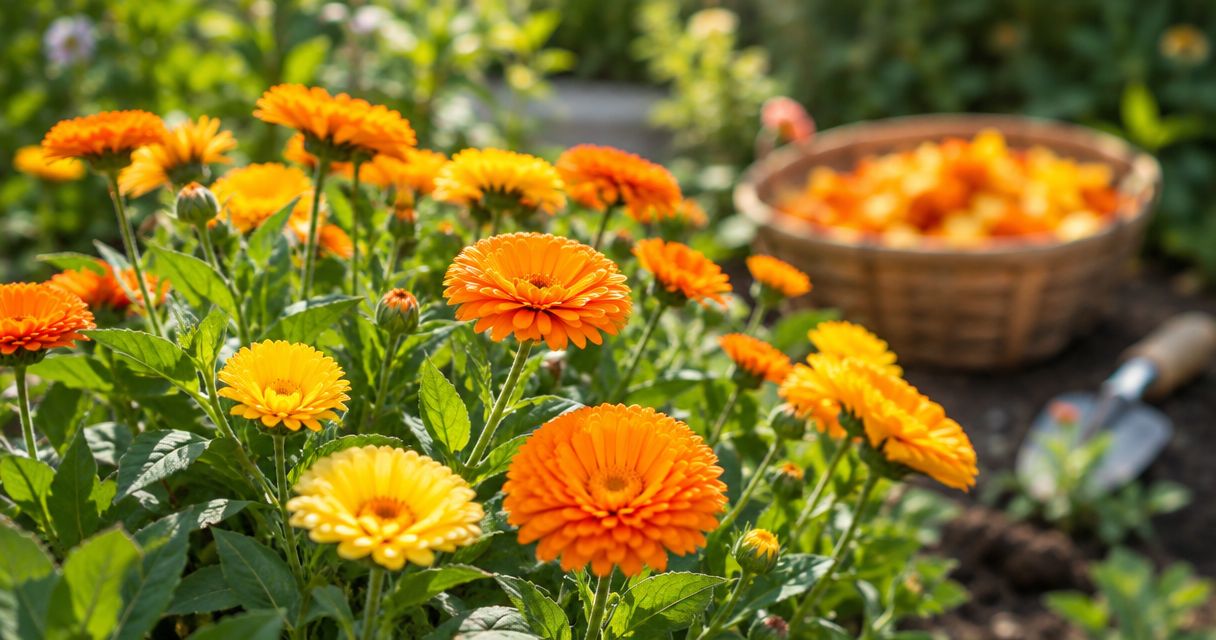
Calendula, Calendula officinalis, is a true annual suited to cool-season growing. Its yellow and orange daisy-like flowers fit informal beds. Starting it from seed is useful when you want to grow a patch rather than place individual flowering plants.
Sow into workable, well-drained soil according to the seed packet. Thin seedlings to the packet's spacing so neighboring plants do not become a crowded mass.
Calendula pros:
- Direct sowing avoids indoor transplant production.
- Daisy-like flowers suit informal planting.
- Removing spent flowers keeps the patch tidy.
Calendula cons:
- Seed-grown plants do not provide immediate flowers.
- Sustained heat reduces flowering and plant quality.
Best for: A gardener willing to wait for a direct-sown spring flower patch.
Calendula is not the same plant as Tagetes marigolds. That distinction matters: the name “pot marigold” does not make calendula a tender summer marigold. Verdict: Buy calendula seed for a patient, seed-first approach.
5. Sweet alyssum: best early spring annual for edging
Sweet alyssum, Lobularia maritima, forms low growth covered with clusters of small flowers. Use it beside a path, along a container rim, or in gaps where a tall flower would obscure neighboring plants. Its scale works best close to the viewer.
Give it light and drainage, and avoid keeping the soil constantly saturated. In Virginia, plan for its cool-season role rather than expecting uninterrupted flowering through summer heat.
Sweet alyssum pros:
- Low growth suits bed edges.
- Small flowers soften container arrangements.
- Fragrant flowers add interest near seating areas.
Sweet alyssum cons:
- Heat interrupts the spring display.
- Overgrown plants need trimming to stay tidy.
Best for: Finishing the edge of a spring planting rather than supplying its main focal point.
Check the description of the selected type: seed-grown and vegetatively propagated selections differ in growth and heat response. Do not apply one cultivar's performance claim to all sweet alyssum. Verdict: Buy sweet alyssum for edging, not as your summer backbone.
6. Sweet peas: best early spring annual for climbing flowers
Annual sweet peas, Lathyrus odoratus, provide climbing growth and fragrant cutting flowers. They need a trellis, netting, or another suitable support from the start. Choose climbing types deliberately; dwarf sweet peas do not fill the same role.
Sweet peas favor cool growing conditions. Sow according to the packet; a planting depth of about 1 inch is a common direction for annual sweet pea seed, but follow the instructions for your seed.
Sweet pea pros:
- Climbing types use vertical garden space.
- Flowers are useful for cutting.
- Fragrance adds interest near a garden path.
Sweet pea cons:
- Climbing types require support and attention.
- Seeds are poisonous; sweet peas are not edible garden peas.
Best for: Gardeners with a prepared support and time to tend climbing stems.
Keep ornamental sweet peas separate from edible pea planting. Do not confuse annual sweet peas with perennial everlasting peas, which have different growth habits. Verdict: Buy annual sweet pea seed only when the support is ready.
How these flowers rank
Pansies take the default position because they combine conspicuous flowers, compact growth, and a familiar cool-season bedding role. The remaining choices win distinct jobs: violas for small pots, snapdragons for cutting, calendula for direct sowing, sweet alyssum for edging, and sweet peas for climbing.
This 2026 ranking compares horticultural suitability, not named cultivars or nursery stock. It does not claim that every selection tolerates the same freeze or flowers at the same time.
When to plant across Virginia in 2026
Use your site and forecast, not one statewide planting date. Coastal Virginia generally warms earlier than mountain locations. Craig County gardeners must also account for elevation, exposed slopes, and low areas where cold air collects.
A warm afternoon is not enough evidence to plant. Check overnight forecasts, soil condition, and the plant's recent growing environment. Soil that smears when worked is too wet for bed preparation; wait rather than compacting it around new roots.
For early spring 2026, separate three decisions:
- Direct sowing: Follow the seed packet's cool-season sowing instructions and soil requirements.
- Planting acclimated transplants: Choose workable soil and a forecast you can manage with protection.
- Planting greenhouse-soft plugs: Harden them off first, even when the species tolerates cool weather.
For more context, read when pansies fit Virginia fall planting. Fall establishment and spring transplanting are different situations; do not assume a newly planted plug has the resilience of an established overwintered plant.
How to prepare and plant flower plugs
A plug is a young plant rooted in a small growing cell. It has already germinated, unlike seed, but it is not necessarily flowering or ready for immediate exposure. Meadows Garden Company sells flower plugs with statewide Virginia shipping; choose the starting stage that fits your gardening plans.
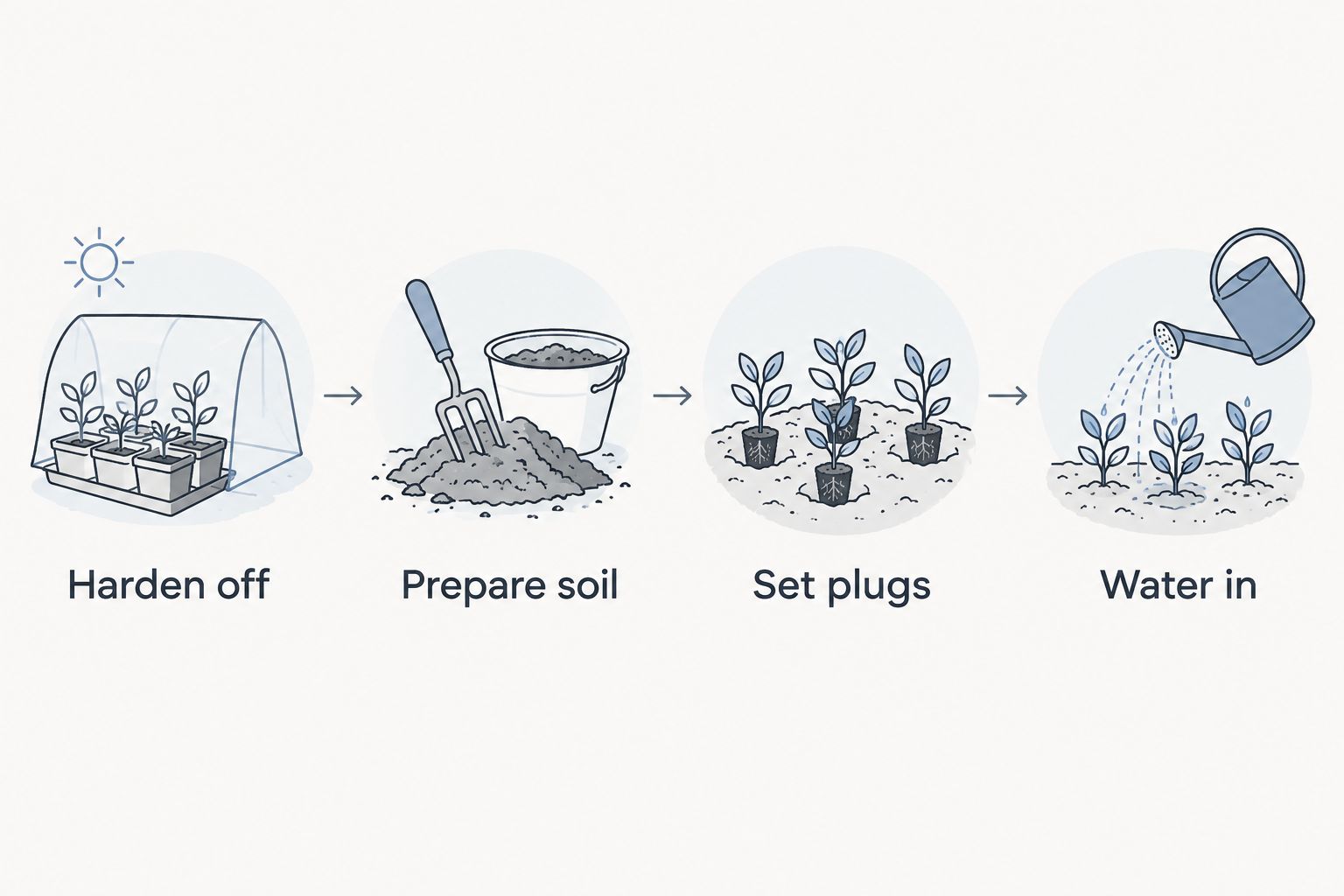
Harden off
Allow about 7–10 days for gradual outdoor acclimation, adjusting to the weather and the plant's instructions. Begin in a sheltered location, then increase exposure to sun and wind. Bring plants under protection during freezing conditions.
Prepare soil
Choose a drained bed or a container with open drainage holes. Remove weeds and prepare the planting area without working saturated soil. Set supports for climbing or tall plants before planting around them.
Set plugs
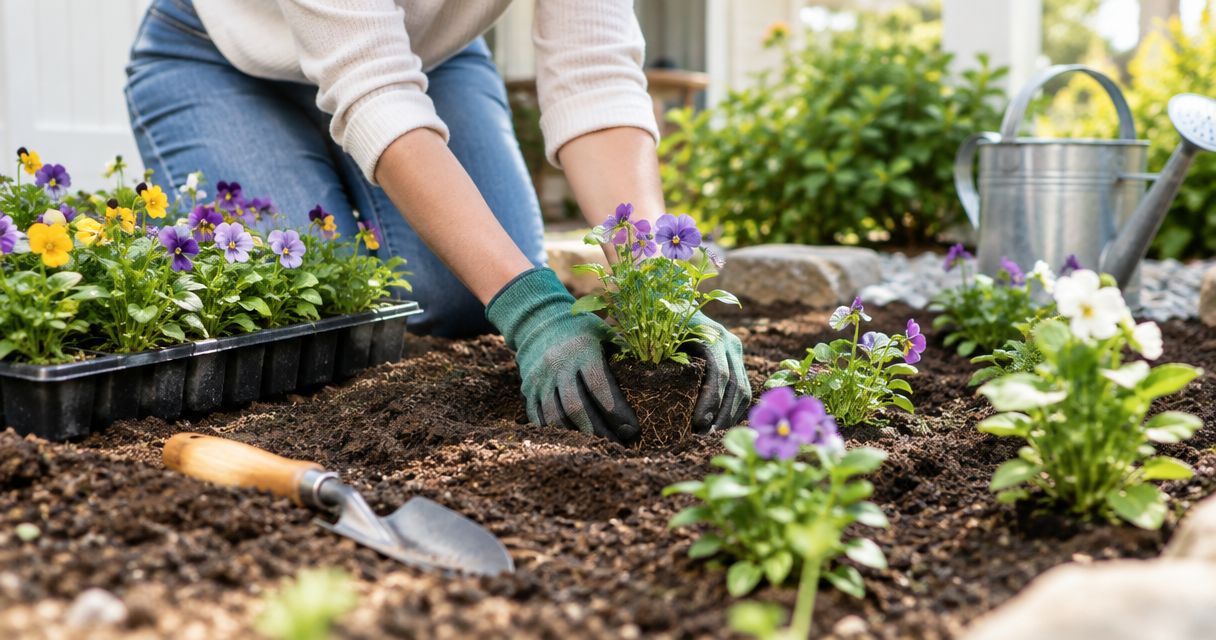
Water the plugs before removing them from their cells. Handle the root ball gently, and plant at the existing growing depth unless the plant instructions specify otherwise. Use the stated mature spacing rather than squeezing plants together for an immediate full appearance.
Water in
Water around each root ball after planting. Check both the surrounding soil and the original plug: a small root ball can dry while adjacent soil still looks damp. Keep mulch clear of crowns.
For your 2026 planting, keep frost protection ready after transplanting. Cover vulnerable plants before a forecast freeze, secure the cover, and remove it when conditions permit. Movable containers give you another option: place them in a protected location temporarily.
Which early spring flowers should you choose?
Choose pansies if you want one dependable starting point for a spring bedding plan. Add another flower only when it solves a separate problem: height, edging, cutting stems, or climbing coverage.
For containers, start with violas and assess drainage before adding companions. For a seed-grown bed, choose calendula; for a trellis, choose annual sweet peas. Meadows Garden Company flower plugs offer a transplant-based starting method, but plant suitability still comes before buying.
Do not ask cool-season flowers to carry the entire summer garden. Plan a separate warm-season or perennial planting when the spring display declines.
FAQ
What's the best cold-hardy flower for early spring in Virginia?
Pansies are the best default choice for a general early spring bedding display in Virginia. Violas suit small containers, while snapdragons, calendula, sweet alyssum, and sweet peas fill different garden roles.
Can I plant flower plugs before Virginia's last frost?
You can plant suitable cool-season flower plugs before the last frost after acclimating them and assessing the forecast. Species tolerance does not remove the need to protect young plants from freezing conditions.
Are pansies and violas actually annuals?
Pansies and many garden violas are short-lived perennials commonly grown as seasonal annuals. Their use in a spring bedding plan does not guarantee permanent garden coverage.
Are plugs better than seeds for early spring flowers?
Plugs are better when you want to skip germination and start with rooted young plants. Seeds suit direct-sown choices such as calendula and annual sweet peas, but you must allow time for establishment.
When should I plant spring flowers in Craig County in 2026?
Plant when the soil is workable, the plants are acclimated, and you can manage the forecast conditions. Craig County elevation and local frost pockets make a single calendar date unreliable.
Will these cold-hardy flowers bloom all summer in Virginia?
Do not expect these cool-season flowers to provide an uninterrupted summer display in Virginia. Heat reduces performance, so plan replacement annuals or complementary perennials.
Can I eat sweet peas grown beside vegetable peas?
No: ornamental sweet peas, Lathyrus odoratus, are poisonous and are not edible garden peas. Keep them clearly separated from vegetable planting.
One last thing
Cold hardiness belongs to an acclimated plant, not just a name on a label. Before planting your 2026 spring flowers, ask how the transplants have been grown and exposed to outdoor conditions. That answer is more useful than choosing a flower solely because it appears on a frost-tolerant list.