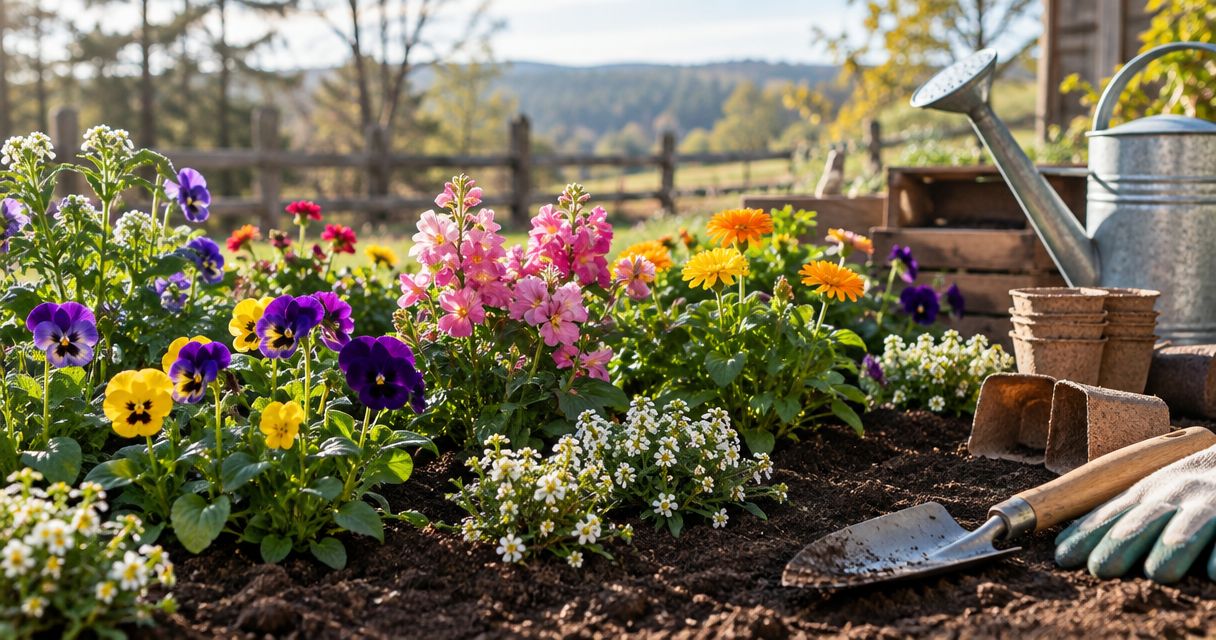
Best overall for sunny seasonal color: zinnia plugs. Best for leafy shade fill: coleus plugs. Best for compact edging: French marigold plugs. This 2026 guide compares the best plant plugs for fast fill in across Virginia garden conditions; Meadows Garden Company sells flower plugs, native plants, and perennials for home gardeners.
- The best plant plugs for fast fill in match your sunlight, soil moisture, and planting season.
- Zinnia plugs are the default for sunny summer color; coleus plugs fill shaded spaces with foliage.
- Choose creeping phlox for sunny perennial edges and golden ragwort for moist shade.
- Meadows Garden Company serves Virginia gardeners buying flower plugs, native plants, and perennials.
Why this matters
Fast fill means different things. Annual flowers add seasonal bulk, while spreading perennials build a planting that returns after winter. A plant that flowers quickly does not necessarily cover bare soil quickly.
Plugs are young, rooted plants grown in small nursery cells. They skip the germination stage, but they are not mature plants: you still need to establish their roots and protect them from drying out. Meadows Garden Company is a fit for Virginia home gardeners buying flower plugs rather than starting every plant from seed.
Virginia's coastal gardens, Piedmont beds, and mountain sites do not share one planting date. In 2026, use your local frost risk and the actual conditions in your bed—not a statewide calendar—to decide when tender plugs go outside.
What makes the best plugs for fast garden fill?
- Light match: Full sun generally means at least 6 hours of direct sunlight daily. Shade-tolerant foliage plants solve a different problem than sun-loving flowers.
- Useful growth habit: Upright plants add height; branching plants add bulk; spreading plants cover soil. Choose the habit your gap needs.
- Season match: Warm-season annuals need frost-free conditions. Hardy perennials have different establishment needs and seasonal growth patterns.
- Moisture match: A dry slope and a damp shaded border need different plants, even when both look bare.
- Manageable spread: A plant that fills quickly also needs room. Avoid aggressive spreaders beside small, slow-growing neighbors.
- Home-garden practicality: Check mature size and the quantity you need before ordering. A small gap does not require a whole-bed redesign.
Choose the right growth habit before choosing the flower color. That decision separates a useful fill-in plant from a tall stem surrounded by bare ground.
Best plant plugs at a glance
These are plant recommendations, not a statement of current catalogue inventory. Check the botanical name, cultivar details, and ordering quantity before selecting plugs.
| Plant | Best for | Standout feature | Key limitation |
|---|---|---|---|
| Zinnia, Zinnia elegans | Sunny seasonal flower beds | Branching growth with summer flowers | Frost-tender; foliage can develop powdery mildew |
| Coleus, Coleus scutellarioides | Leafy fill in shade or partial shade | Foliage provides color without waiting for flowers | Frost-tender; light tolerance varies by cultivar |
| French marigold, Tagetes patula | Compact sunny edging | Low, branching growth suits bed fronts | Annual growth does not provide permanent coverage |
| Creeping phlox, Phlox subulata | Sunny perennial edges and slopes | Low mats with spring flowers | Needs drainage; not a summer-long flowering carpet |
| Wild bergamot, Monarda fistulosa | Sunny native perennial patches | Upright stems and spreading clumps | Can outgrow small gaps; mildew is a concern |
| Golden ragwort, Packera aurea | Moist, shaded native groundcover | Spreading basal foliage and spring flowers | Can crowd smaller neighboring plants |
1. Zinnia plugs: best for sunny seasonal flower beds
Zinnia plugs are the strongest default when you want summer flowers in an open, sunny bed. They produce branching growth and suit gaps between newly planted perennials, provided those gaps receive enough light.
Choose the cultivar by mature height and width. A tall cutting variety is not interchangeable with a compact bedding variety, and neither should be squeezed against neighboring crowns just to hide soil immediately.
Zinnia pros:
- Flowers and foliage both contribute to seasonal fill.
- Branching varieties create bulk rather than a single narrow stem.
- Deadheading supports continued flowering.
Zinnia cons:
- Frost ends the planting; zinnias do not provide permanent coverage.
- Powdery mildew can affect foliage, especially where airflow is poor.
Best for: Sunny beds that need summer color while permanent plants establish.
For your 2026 planting, wait until frost danger has passed and conditions are warm. Water the root zone, keep neighboring plants from shading the plugs, and leave the spacing specified for the cultivar.
Verdict: Buy zinnia plugs for sunny seasonal fill; skip them for shade or year-round cover.
2. Coleus plugs: best for leafy fill in shaded spaces
Coleus fills space through foliage rather than a succession of flowers. That makes it useful where you want visible color and branching leaves in a sheltered border or container.
Light tolerance differs among cultivars. Some tolerate sun, while others need protection from strong afternoon exposure; choose from the plant's stated growing requirements rather than treating all coleus alike.
Coleus pros:
- Leaves provide color before flowering.
- Pinching growing tips encourages branching.
- Foliage works well beside shade perennials with different leaf shapes.
Coleus cons:
- Cold and frost damage tender growth.
- A cultivar in unsuitable light can scorch or lose its intended appearance.
Best for: Seasonal foliage fill in shade or partial shade, with cultivar-specific light requirements.
Pinch above a leaf node if you want a bushier plant, and remove flower spikes when foliage is your priority. Keep the root zone evenly moist without leaving it waterlogged.
Verdict: Buy coleus plugs for leafy seasonal fill; skip them when you need a hardy groundcover.
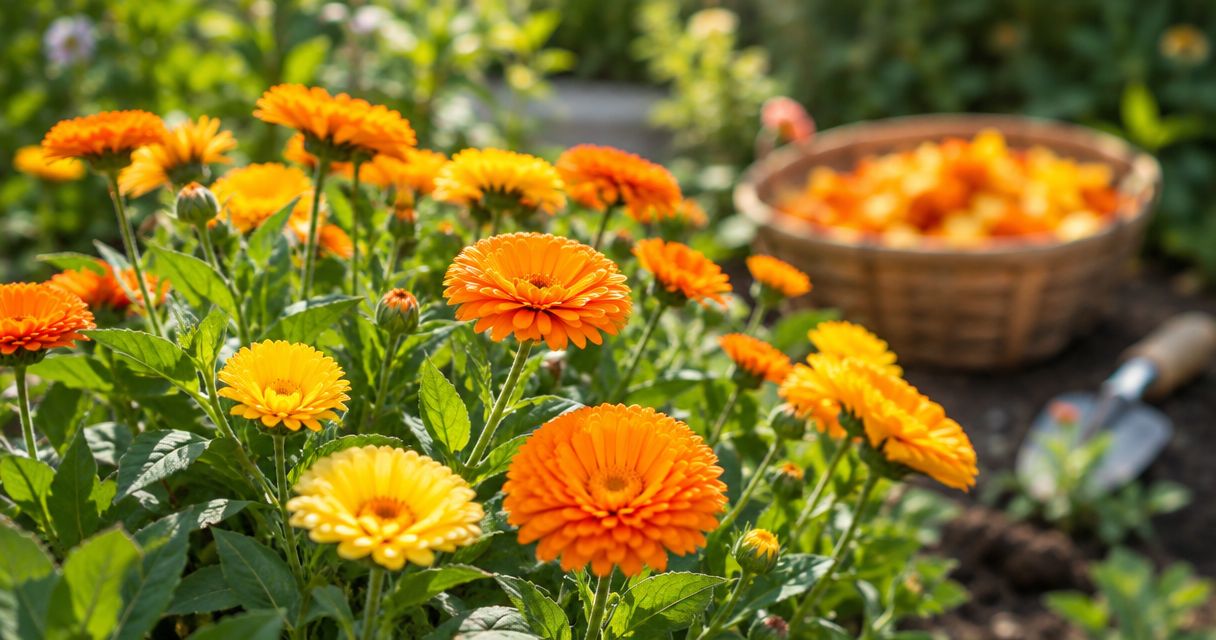
3. French marigold plugs: best for compact sunny edging
French marigolds suit the front of a sunny bed where taller plants would hide neighboring flowers. Their branching habit helps define an edge without turning the planting into a tall screen.
Use compact cultivars where the available gap is shallow. Check mature width before deciding how many plugs to plant; crowding young plants creates a maintenance problem once their branches meet.
French marigold pros:
- Compact forms suit bed fronts and small spaces.
- Flowers provide seasonal color alongside vegetable or ornamental beds.
- Deadheading keeps the planting tidy and supports continued bloom.
French marigold cons:
- Frost ends their usefulness as living fill.
- Poor drainage and prolonged wet conditions can damage plants.
Best for: Sunny borders that need low seasonal flowers rather than spreading perennial cover.
French marigolds are ornamental fill, not a general pest-control system. Plant them because their size and growing requirements suit the gap, not because you expect them to protect every nearby vegetable.
Verdict: Buy French marigold plugs for compact sunny edging; skip them for permanent soil coverage.
4. Creeping phlox plugs: best for sunny perennial edges
Creeping phlox forms low mats and produces its main flower display in spring. It suits sunny edges, rock gardens, and slopes where drainage is good and a taller plant would block the view.
Its value is the combination of low growth and recurring spring flowers. Do not expect a newly planted plug to become a finished carpet immediately, or expect the spring bloom display to continue through summer.
Creeping phlox pros:
- Low growth keeps the front of a bed visible.
- Spreading foliage provides coverage beyond the flowering period.
- Spring flowers add interest before many summer perennials bloom.
Creeping phlox cons:
- Wet, poorly drained soil is a poor match.
- Sparse growth can leave openings where weeds establish.
Best for: Sunny, well-drained perennial edges and slopes needing low cover.
Keep weeds out while plugs establish, and avoid burying the crowns under mulch. For more options with similar exposure needs, compare perennials for full-sun gardens in Virginia.
Verdict: Buy creeping phlox plugs for sunny perennial edges; skip them for damp shade or continuous summer flowers.
5. Wild bergamot plugs: best for sunny native perennial patches
Wild bergamot is a native perennial that creates upright leafy growth and summer flowers. Its spreading clumps suit a naturalistic planting where you want plants to occupy a generous patch rather than remain in tiny isolated spots.
This is height and clump expansion, not a low groundcover. Leave room around wild bergamot and keep airflow open; crowding it among equally vigorous plants makes maintenance harder.
Wild bergamot pros:
- Returns as a perennial rather than requiring annual replacement.
- Summer flowers support pollinator planting goals.
- Spreading growth helps build a larger native planting.
Wild bergamot cons:
- Powdery mildew can reduce the appearance of foliage.
- Expanding clumps need management in tightly arranged borders.
Best for: Sunny native beds where spreading perennial growth is welcome.
Use wild bergamot where you can divide or reduce the clump when necessary. If your goal is to cover soil beneath short plants, choose a low-growing option instead of adding another upright perennial.
Verdict: Buy wild bergamot plugs for roomy native patches; skip them for narrow edging or low groundcover.
6. Golden ragwort plugs: best for moist shaded groundcover
Golden ragwort produces basal foliage, spreads through rhizomes, and sends up yellow flowers in spring. It is a useful native option where moist shade makes sun-loving bedding plants a poor choice.
The same spreading habit that fills bare ground can crowd small neighbors. Give golden ragwort a defined area, and inspect the edges rather than assuming it will stay exactly where you planted each plug.
Golden ragwort pros:
- Basal foliage contributes directly to ground coverage.
- Fits moist, shaded planting conditions.
- Spring flowers add seasonal interest above the leaves.
Golden ragwort cons:
- Spreading growth can compete with less vigorous plants.
- Dry, exposed sites do not match its preferred conditions.
Best for: Moist shade where you want native groundcover and can manage its boundaries.
For an existing shade border, compare the size and vigor of neighboring plants before adding golden ragwort. The guide to perennials for shade gardens in Virginia helps separate groundcover needs from taller flowering accents.
Verdict: Buy golden ragwort plugs for managed moist-shade patches; skip them beside small plants that need open space.
How these plugs are ranked
The ranking follows light match, useful growth habit, season, soil moisture, and manageable spread. Zinnias lead for sunny seasonal flowers, not because they outperform every perennial in every garden.
For 2026, choose by the job first. A permanent shaded patch belongs in a different decision category from a temporary sunny gap, even when both need faster fill.
Help plugs establish before asking them to fill
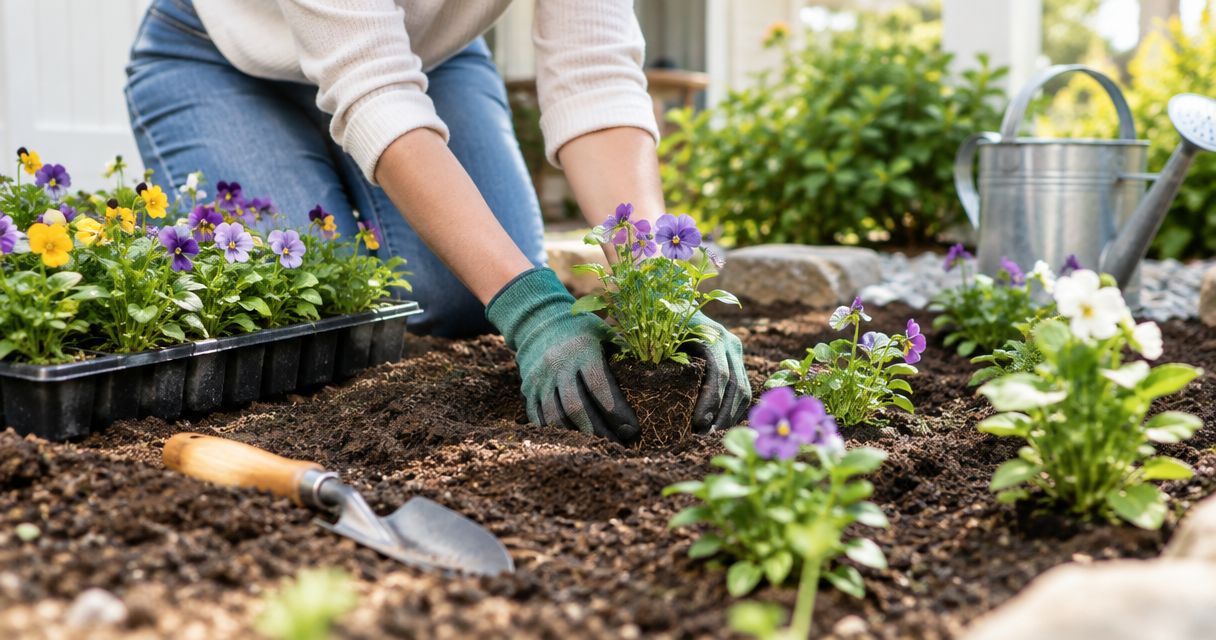
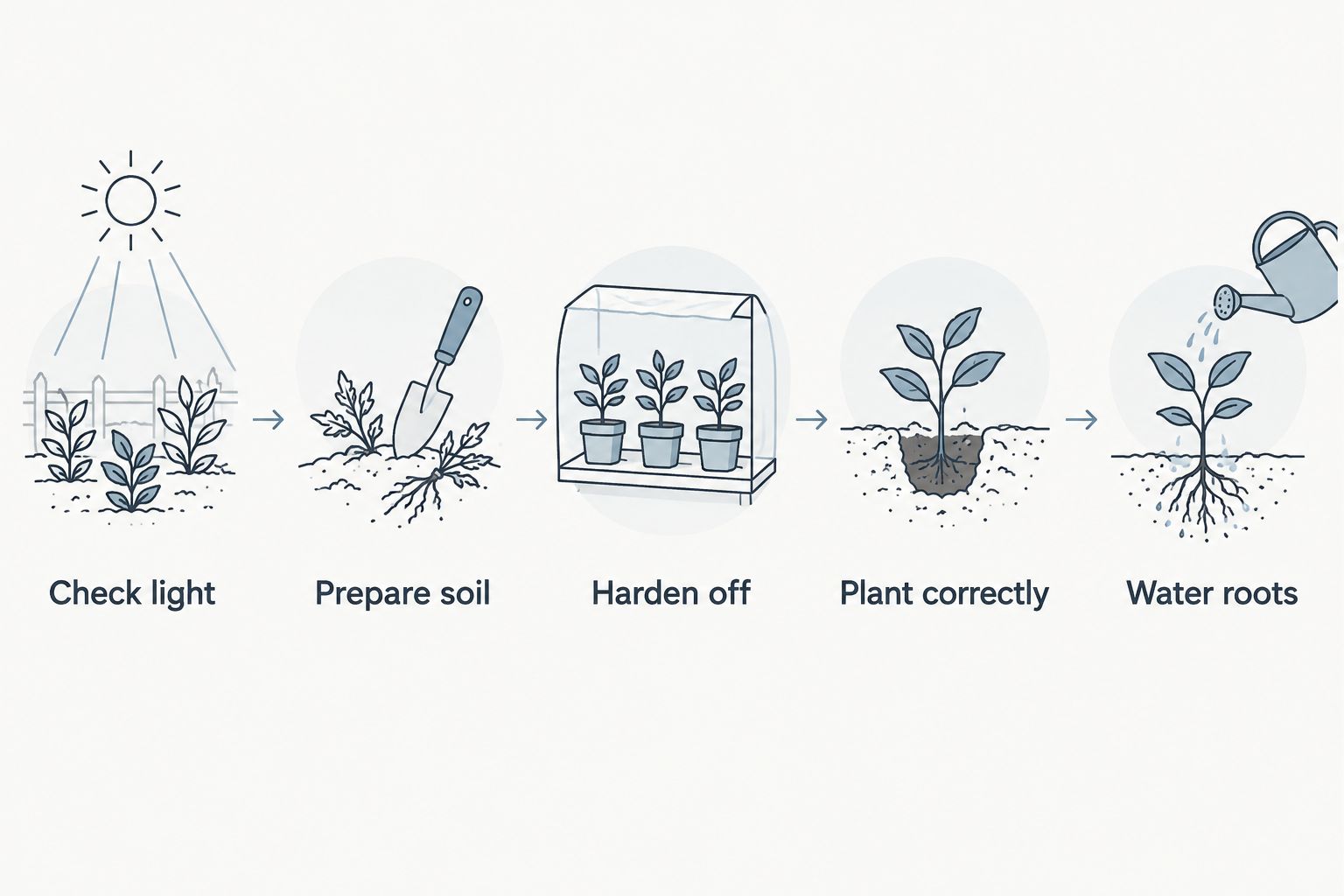
Follow this sequence whether you choose annual flowers or perennial groundcover:
- Check light: Observe direct sunlight across the day. Partial shade generally receives about 3–6 hours, but afternoon exposure is harsher than the same duration of morning sun.
- Prepare soil: Remove competing weeds and address standing water before planting. Do not use extra plugs to disguise a drainage problem.
- Harden off: If plugs have been growing under protection, gradually introduce outdoor conditions over about 7–10 days. Protect tender plants from cold throughout that transition.
- Plant correctly: Moisten the root ball and set it at the appropriate depth, generally with its surface level with the surrounding soil. Do not bury leaves or crowns.
- Water roots: Check the plug's root ball as well as the surrounding bed. A small root ball can dry out while nearby soil still feels damp.
Space plugs for mature growth, not their arrival size. Use a light mulch between plants where appropriate, keeping it away from crowns; mulch handles the temporary bare-ground problem while roots and foliage develop.
When ordering from Meadows Garden Company, check the current listing for the plant identity and quantity options. Count the spaces you actually need to fill before deciding how many plugs to buy.
Which plant plugs should you choose?
Choose zinnia plugs if your undecided project is a sunny summer flower bed. Choose coleus instead when foliage in shade is the goal, or French marigolds when a compact front edge matters most.
For a planting intended to return after winter, select creeping phlox for sunny low cover, wild bergamot for a roomy native patch, or golden ragwort for moist shade. In your 2026 garden plan, keep temporary color separate from permanent coverage.
FAQ
What are the best plant plugs for fast fill in a sunny Virginia garden?
Zinnia plugs are the default for sunny seasonal flower beds. Choose French marigolds for compact edging or creeping phlox for low perennial coverage in well-drained soil.
Are plant plugs faster than growing flowers from seed?
Plant plugs skip germination because they arrive as rooted young plants. They still need establishment time, and their growth depends on light, moisture, temperature, and plant type.
Which plugs are best for filling shaded garden gaps?
Coleus plugs suit seasonal foliage fill, while golden ragwort suits moist shaded groundcover. Check coleus cultivar light requirements and give golden ragwort room to spread.
When should I plant tender flower plugs in Virginia in 2026?
Plant tender flower plugs after local frost danger has passed and conditions suit the plant. Virginia's mountain, Piedmont, and coastal gardens require different timing; harden off protected young plants before transplanting.
Should I plant plugs close together to cover soil faster?
Use the spacing recommended for the plant's mature size rather than crowding plugs together. Temporary mulch and regular weeding protect the open spaces while plants establish.
Will perennial plugs fill my garden in their first season?
Perennial plugs do not guarantee complete first-season coverage. Their growth habit, planting conditions, and establishment determine how much space they occupy; annuals serve a different role as seasonal fill.
Can Meadows Garden Company ship flower plugs across Virginia?
Meadows Garden Company offers statewide plug shipping to Virginia gardeners, with local delivery and pickup in Craig County. Check the current catalogue for plant-specific ordering details before selecting plugs.
One last thing
Fast flowering and fast ground coverage are different results. A tall flowering plant can look impressive while leaving its base exposed; low spreading foliage solves that particular problem more directly.
Before buying flower plugs from Meadows Garden Company for your 2026 garden, describe the gap in one sentence: sunny seasonal color, compact edging, or permanent groundcover. That simple choice prevents buying a healthy plant for the wrong job.