Best overall: herbaceous peony. Best for repeated summer cutting: Shasta daisy. Best for a sunny, dry border: common yarrow. This 2026 guide compares the best perennials for cut flower gardens in Virginia, with planting and harvesting advice for gardeners buying young plants from sources such as Meadows Garden Company.
- Herbaceous peonies lead the best perennials for cut flower gardens when large spring flowers matter most.
- Shasta daisies provide summer bouquet stems; common yarrow suits sunny beds with good drainage.
- Combine spring, summer, and fall bloomers instead of expecting one perennial to flower all season.
- Meadows Garden Company serves Virginia gardeners buying flower plugs, native plants, and perennials.
Why this matters
A perennial cutting garden returns from established roots, but it does not produce a continuous supply of flowers automatically. Peonies have a concentrated spring season. Summer daisies and fall asters fill different windows.
For your 2026 planting plan, choose plants by bloom season, stem form, and growing conditions—not flower color alone. A beautiful border plant earns space in a cutting bed only when you can reach its stems, harvest without stripping it bare, and meet its needs.
What makes the best cut flower perennials
- Usable stems: Choose upright stems long enough for your intended vase. Compact border selections do not serve the same purpose as taller cutting selections.
- Different bloom windows: Combine spring focal flowers, summer fillers, and fall color.
- Site fit: Check sunlight, drainage, and exposure before choosing a plant. Most options here need at least 6 hours of direct sun daily.
- Harvest tolerance: Favor plants that retain healthy foliage after cutting; repeated harvesting is not suitable for every perennial.
- Manageable growth: Account for staking, spreading roots, and mature width before planting.
- Establishment needs: Young plugs need root growth before you expect substantial harvests.
For a sunny 2026 bed, use the companion guide to perennials for full-sun gardens in Virginia to check the broader planting choices. Sun exposure alone does not solve drainage problems.
Best cut flower perennials at a glance
Bloom windows below describe the usual seasonal sequence, not fixed harvest dates. Virginia elevation, weather, and plant selection change the timing.
| Perennial | Best for | Standout feature | Main limitation | Typical bloom window |
|---|---|---|---|---|
| Herbaceous peony | Large spring focal flowers | Substantial individual blooms | Short flowering season | Spring |
| Shasta daisy | Repeated summer cutting | Simple white flowers on upright stems | Some selections need support | Summer |
| Common yarrow | Sunny, dry cutting beds | Flat flower clusters for bouquet filler | Spreads and dislikes wet soil | Late spring–summer |
| Purple coneflower | Native summer focal flowers | Daisy-shaped blooms with raised centers | Young plants need time to establish | Summer |
| Garden phlox | Fragrant bouquet clusters | Rounded clusters of small flowers | Powdery mildew requires attention | Summer |
| Perennial black-eyed Susan | Late-summer yellow flowers | Branching stems with dark-centered flowers | Can expand beyond its allotted space | Summer–early fall |
| False indigo | Spring flower spikes | Upright blooms and later decorative pods | Slow establishment; difficult to move | Spring |
| New England aster | Fall bouquet color | Branching stems with purple-toned flowers | Tall growth needs support | Late summer–fall |
1. Herbaceous peony: best for large spring focal flowers
Herbaceous peonies, including selections of Paeonia lactiflora, make substantial focal flowers. The stems die back in winter and return in spring. Choose herbaceous peonies deliberately; tree peonies have a different growth habit.
Give peonies sun and well-drained soil. Plant bare-root eyes about 1–2 inches below the surface; planting too deeply interferes with flowering. Support heavy-flowered selections before stems lean outward.
Herbaceous peony pros:
- Large flowers give a bouquet a clear focal point.
- Established plants return without annual replanting.
- Buds can be harvested before flowers fully open.
Herbaceous peony cons:
- The flowering window is concentrated, not season-long.
- Heavy blooms need support and suffer in rain.
Best for: Gardeners prioritizing spring arrangements. Cut buds when they show color and feel soft, while leaving plenty of foliage on the plant.
Verdict: Buy for spring focal flowers; skip as your only cutting perennial.
2. Shasta daisy: best for repeated summer cutting
Shasta daisy, Leucanthemum × superbum, supplies white petals around yellow centers. Taller selections suit bouquets better than compact edging plants. Check the mature height before choosing a plant.
Grow Shasta daisies in sun with good drainage. Remove spent flower stems to encourage additional bloom, but do not expect every selection to flower continuously. Divide crowded clumps when growth and flowering decline.
Shasta daisy pros:
- White flowers combine easily with other bouquet colors.
- Upright stems are straightforward to harvest.
- Deadheading supports further flowering.
Shasta daisy cons:
- Wet soil increases the risk of crown problems.
- Tall selections need support in exposed beds.
Best for: Gardeners wanting familiar summer flowers for mixed arrangements. Harvest when the petals have opened and the flower center still looks fresh.
Verdict: Buy for summer cutting, choosing a taller selection rather than a dwarf border plant.
3. Common yarrow: best for sunny, dry cutting beds
Common yarrow, Achillea millefolium, produces flat clusters above finely divided foliage. Those clusters add a different shape beside peonies, daisies, and flower spikes. Garden selections differ in flower color and growth habit.
Give yarrow sun and freely draining soil. Rich soil and excess fertilizer encourage soft growth that flops. Its spreading habit makes it better suited to a managed cutting bed than a tightly packed collection of slow-growing plants.
Common yarrow pros:
- Established plants tolerate dry conditions.
- Flat clusters work as bouquet filler.
- Flowers also suit dried arrangements.
Common yarrow cons:
- Spreading growth needs monitoring.
- Persistently wet soil is unsuitable.
Best for: An exposed bed that drains well and dries between rains. Harvest fully opened clusters with firm stems; very young clusters wilt readily.
Verdict: Buy for dry, sunny ground; skip for a wet planting site.
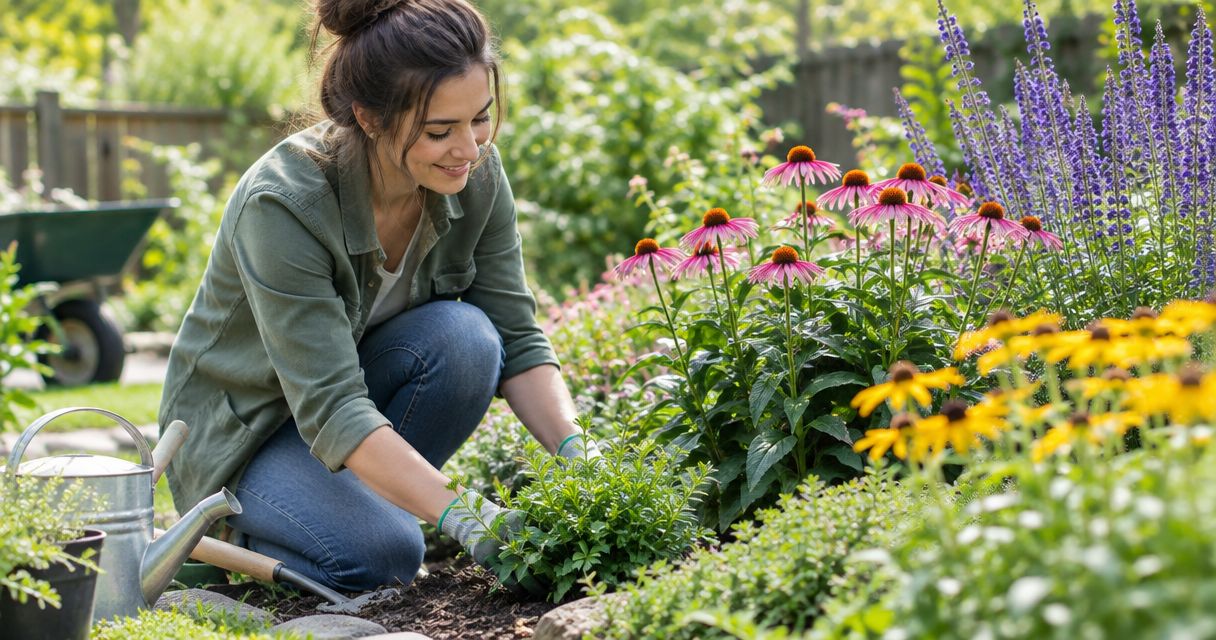
4. Purple coneflower: best for native summer focal flowers
Purple coneflower, Echinacea purpurea, gives you flowers with raised centers and pink-purple petals. The straight species provides a useful starting point when native plants are part of your garden plan. Named selections differ in height and flower form.
Plant in sun and well-drained soil. Water young plants through establishment, even though established coneflowers tolerate some drought. Leave some flowers uncut for pollinators and later seedheads rather than harvesting every stem.
Purple coneflower pros:
- Distinctive centers add structure to arrangements.
- Summer flowers support pollinator visits.
- Uncut seedheads provide later garden interest.
Purple coneflower cons:
- Small plants do not support heavy cutting immediately.
- Saturated soil threatens root health.
Best for: Gardeners combining summer bouquets with native planting. Harvest developed flowers with firm centers and fresh petals.
Verdict: Buy for native summer flowers, with restrained harvesting while plants establish.
5. Garden phlox: best for fragrant bouquet clusters
Garden phlox, Phlox paniculata, carries rounded clusters of flowers on upright stems. It contributes both scent and a softer flower shape to summer arrangements. Choose taller garden phlox, not low-growing creeping phlox.
Give plants sun, consistent moisture, and room for air movement. Space plants according to their mature width; many taller selections need about 2–3 feet between plants. Water the soil rather than routinely wetting the leaves.
Garden phlox pros:
- Flower clusters fill space in mixed bouquets.
- Fragrance adds another reason to bring stems indoors.
- Summer bloom complements daisies and coneflowers.
Garden phlox cons:
- Powdery mildew can damage foliage.
- Dry soil stresses plants and reduces their usefulness.
Best for: Gardeners with a sunny bed that receives regular moisture. Harvest clusters with open flowers and remaining buds, then remove foliage that would sit underwater.
Verdict: Buy for fragrant summer clusters; skip for a dry bed without watering access.
6. Perennial black-eyed Susan: best for late-summer yellow flowers
Perennial black-eyed Susans, including Rudbeckia fulgida, produce yellow flowers with dark centers. Branching stems supply cheerful color after many spring perennials finish. Confirm the botanical name: plants sold as black-eyed Susan do not all share the same lifespan.
Plant in sun and soil that drains well. Give expanding clumps room, and divide or reduce them when they crowd neighboring plants. Keep enough leafy growth after cutting to support the crown.
Perennial black-eyed Susan pros:
- Yellow flowers bridge summer and early fall.
- Branching stems suit informal mixed arrangements.
- Established clumps can provide multiple harvest stems.
Perennial black-eyed Susan cons:
- Expanding clumps need space management.
- Leaf spots can reduce foliage quality.
Best for: Gardeners needing dependable seasonal color after spring flowers finish. Harvest open flowers before petals become damaged or tired.
Verdict: Buy for late-summer yellow flowers, after confirming a perennial species.
7. False indigo: best for spring flower spikes
False indigo, Baptisia australis, produces blue flower spikes above substantial foliage. Its upright flower form contrasts with rounded peony blooms. Later pods offer another material for arrangements.
Choose the planting position carefully. False indigo develops a deep root system and resents moving once established. Give it sun and enough space for its mature, shrub-like spread; a small plug does not remain a small plant.
False indigo pros:
- Flower spikes add vertical structure.
- Foliage remains useful after spring bloom.
- Mature pods offer material for dried arrangements.
False indigo cons:
- Establishment takes patience.
- Relocating a mature plant is difficult.
Best for: A permanent cutting border where you can leave room for mature growth. Limit cutting on young plants and inspect flowering stems for freshness before harvesting.
Verdict: Hold if immediate harvest is essential; buy for a long-term spring border.
8. New England aster: best for fall bouquet color
New England aster, Symphyotrichum novae-angliae, carries many small flowers on branching stems. It extends the cutting season into fall. Flower color and mature height vary among selections.
Grow it in sun with adequate moisture and support tall stems before they fall outward. Pinching growing tips in late spring encourages branching and shorter growth, but changes flowering timing. Leave a share of blooms for fall pollinators.
New England aster pros:
- Fall flowers extend the seasonal sequence.
- Branching stems add texture to arrangements.
- Late blooms provide pollinator forage.
New England aster cons:
- Tall stems need support.
- Lower foliage can deteriorate before flowering.
Best for: Gardeners whose bouquets lack fall color. Strip unattractive lower leaves and cut stems carrying open, fresh flowers.
Verdict: Buy for fall bouquets if you can accommodate and support its height.
How the ranking works
This ranking prioritizes flower usefulness, distinct seasonal roles, and practical care in Virginia gardens. Peony leads for focal flowers—not for the longest harvest season. Shasta daisy serves repeated summer cutting, while yarrow earns its place where drainage and drought tolerance matter.
A plant drops out of your shortlist when its site requirements do not match your bed. No ranking makes garden phlox suitable for neglected dry soil or yarrow suitable for waterlogged ground.
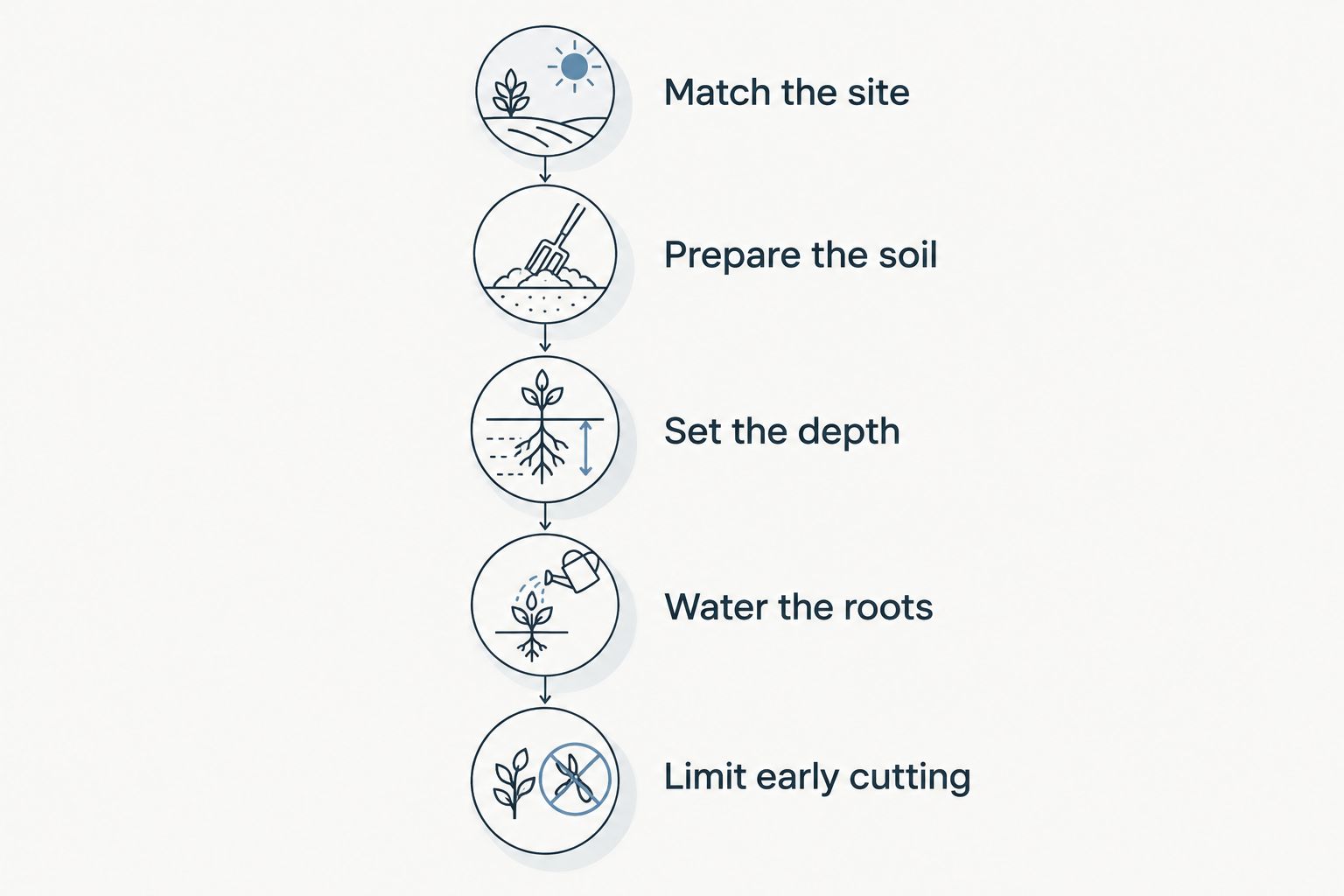
Establish your 2026 cutting bed
Match the site
Observe sunlight across the day before planting. Six hours of direct sun is a useful baseline for this shortlist. In Virginia, a mountain garden and a low-elevation urban garden do not share the same frost pattern or flowering schedule.
Prepare the soil
Remove perennial weeds before planting. Check drainage after rain and use a soil test to guide amendments. Do not add fertilizer simply because young plugs look small; healthy root growth matters more than forcing lush tops.
Set the depth
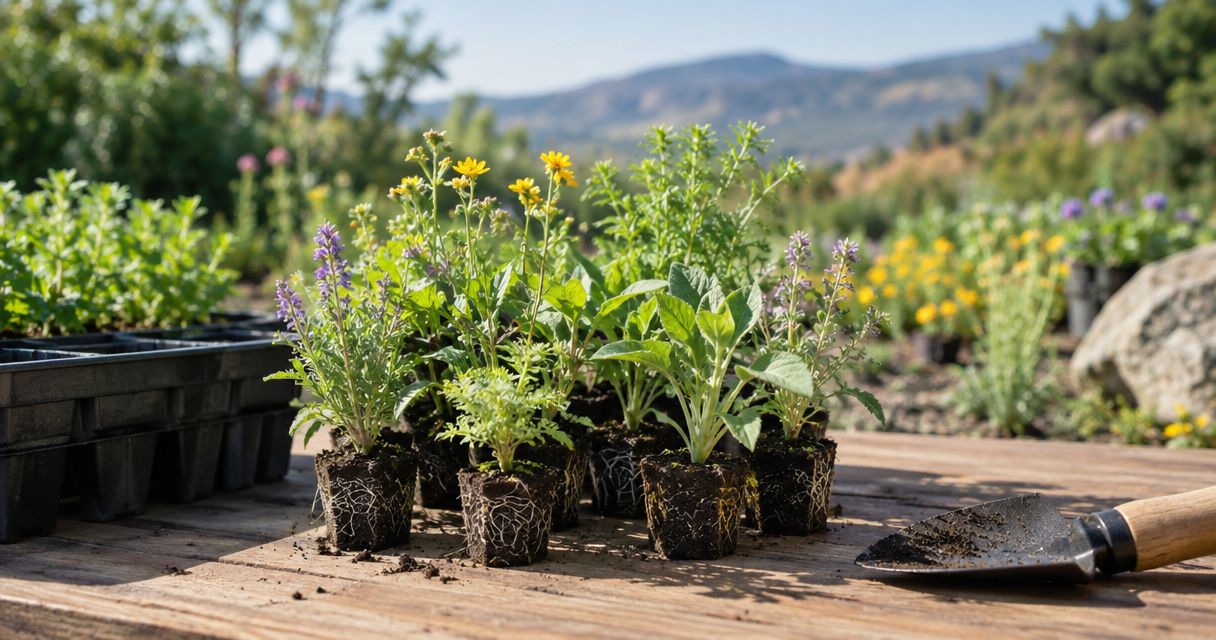
A plug is a rooted young plant, not a seed or a mature specimen. Keep the top of its root ball level with the surrounding soil unless that plant's instructions specify otherwise. Bare-root peonies are an important exception because eye depth affects flowering.
Water the roots
Water thoroughly after planting and check the root ball as well as the surrounding soil. A small root ball can dry while nearby soil still feels damp. Keep mulch away from crowns and stems.
Limit early cutting
Prioritize establishment over bouquets. Leave enough healthy leaves to feed the plant and avoid taking every flower stem from a young perennial. Meadows Garden Company is a practical flower-plug source for Virginia gardeners who prefer young plants to starting from seed. Select plants by their growing requirements, not by an expectation of immediate harvest.
Harvest without weakening the garden
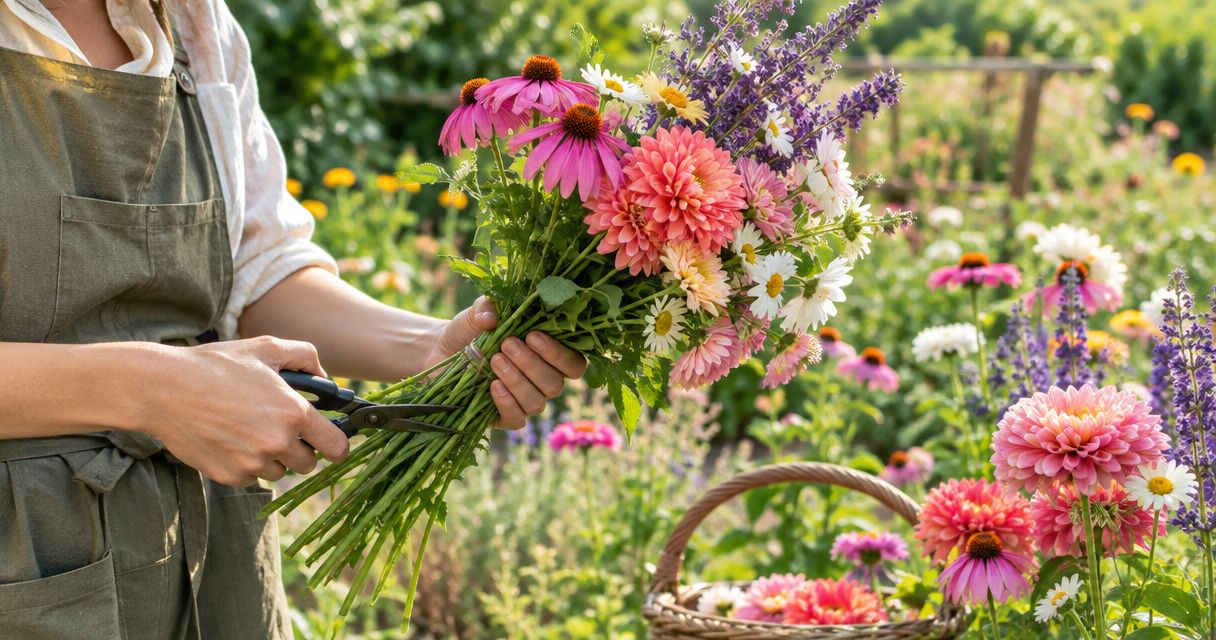
Cut in the cool part of the day and place stems promptly into a clean container of water. Use clean, sharp tools. Remove leaves below the vase waterline and recut stem ends before arranging.
Harvest stage differs by plant: peonies suit soft, colored buds, while yarrow needs developed flower clusters. Do not use one rule for every species. Leave healthy foliage behind, refresh vase water, and remove deteriorating stems rather than letting them foul the arrangement.
Which perennials should you choose?
Start your 2026 garden with peony, Shasta daisy, and New England aster if you want separate spring, summer, and fall flowering windows. Add yarrow for a dry site or garden phlox for a bed with consistent moisture. Choose purple coneflower when native summer flowers are a priority.
Meadows Garden Company sells flower plugs, native plants, and perennials for Virginia gardeners. Confirm the species, mature size, and planting requirements before choosing; this guide recommends plant types, not a verified cultivar selection.
FAQ
What are the best perennials for cut flower gardens in Virginia?
Herbaceous peony, Shasta daisy, common yarrow, purple coneflower, garden phlox, perennial black-eyed Susan, false indigo, and New England aster fill distinct cutting roles. Choose among them by sunlight, drainage, moisture, and bloom season.
What's the best perennial for large cut flowers?
Herbaceous peony is the strongest choice in this list for large spring focal flowers. Its short bloom season means you need other perennials for summer and fall bouquets.
Can I grow cut flower perennials from plugs?
Yes, perennial plugs are rooted young plants that can establish in a prepared garden bed. They still need watering and root growth before substantial harvesting; a plug is not equivalent to a mature flowering plant.
How much sun does a perennial cutting garden need?
Most perennials in this shortlist grow best with at least 6 hours of direct sunlight daily. Check the requirements of the species and selection, because adequate sun does not compensate for unsuitable soil moisture.
When should I plant perennial flower plugs in Virginia in 2026?
Plant hardy perennial plugs when the soil is workable, not waterlogged, and conditions suit the species. Spring and fall provide useful planting windows, but your local frost conditions and the plant's hardiness determine the timing.
Are all black-eyed Susans perennial?
No, black-eyed Susan is a common name applied to plants with different lifespans. Confirm the botanical name and perennial habit rather than relying on the common name alone.
Should I cut every flower from a perennial plant?
No, retain healthy foliage and limit harvesting on young plants. Leaving some flowers also preserves pollinator forage and later seedheads where those are part of your garden goals.
One last thing
Before planting in 2026, check mature stem height against your actual vase. A compact perennial can flower beautifully yet produce stems too short for the arrangement you want. Choosing for stem length prevents a cutting garden from becoming only a display border.