Best overall: purple coneflower. Best for a dry, sunny planting with winter structure: little bluestem. Best for butterfly habitat: butterfly weed. These are the best drought tolerant perennials for Virginia gardens in 2026 when you match each plant to its light, soil drainage, and space. Drought tolerance describes an established plant, not a newly planted plug.
- Purple coneflower is the best drought tolerant perennial for most sunny Virginia garden beds in 2026.
- Choose little bluestem for dry-site structure and butterfly weed for a sunny, well-drained habitat planting.
- Water new plugs while they establish; drought tolerance does not remove the need for early care.
Why this matters in Virginia
A Virginia garden can have dry soil for different reasons: a sunny slope sheds water, sandy soil drains quickly, and tree roots compete with nearby perennials. The same plant will not perform equally in all three places. Start with sunlight and drainage, then decide whether you want flowers, pollinator habitat, or upright structure.
Meadows Garden Company sells flower plugs, native plants, and perennials to Virginia gardeners. A plug is a young plant with an established root system, not a seed or a mature perennial. It still needs care after planting. Check the current catalogue for a species before planning around it; the rankings below describe garden suitability, not current inventory.
What makes the best drought-tolerant perennial?
- Sun exposure: Full-sun choices belong where they receive at least 6 hours of direct sun a day. A dry site beneath a tree is a different planting problem.
- Drainage: Dry soil and poorly drained soil are not interchangeable. Butterfly weed and spotted beebalm need soil that does not stay wet around their roots.
- Established drought tolerance: Judge a plant by how it handles a dry spell after its roots have spread into the surrounding soil, not by what a new plug can survive.
- Growth habit: Little bluestem provides upright grass structure. Narrowleaf mountain mint can spread into nearby plants. Neither suits every border.
- Garden purpose: A plant chosen for flowers has a different job from one chosen for butterfly host habitat, edging, or winter interest.
Before you choose from the table, watch the proposed bed after rain. Water that sits at the surface calls for a different solution from soil that drains promptly and later dries out. Do not use a drought-tolerant planting as a substitute for correcting persistent standing water.
The best drought-tolerant perennials at a glance
The 2026 ranking favors plants with a clear role in a Virginia home garden. All six need attention during establishment; the limitations column tells you where each choice stops being a good fit.
| Perennial | Best for | Standout feature | Key limitation |
|---|---|---|---|
| Purple coneflower | General sunny beds | Upright flowers with seed heads | Performs poorly in persistently wet soil |
| Little bluestem | Dry-site structure | Upright grass and winter interest | Not a broad-flowered perennial |
| Butterfly weed | Butterfly habitat | Host plant for monarch caterpillars | Dislikes wet soil and root disturbance |
| Spotted beebalm | Lean, dry soil | Flowers suited to a less-fertile site | A poor choice for a damp bed |
| Threadleaf coreopsis | Flowering border edge | Fine foliage and yellow flowers | Needs sun and room to spread |
| Narrowleaf mountain mint | A larger pollinator patch | Small flowers and aromatic foliage | Can spread beyond a narrow bed |
1. Purple coneflower: best drought-tolerant perennial for general beds
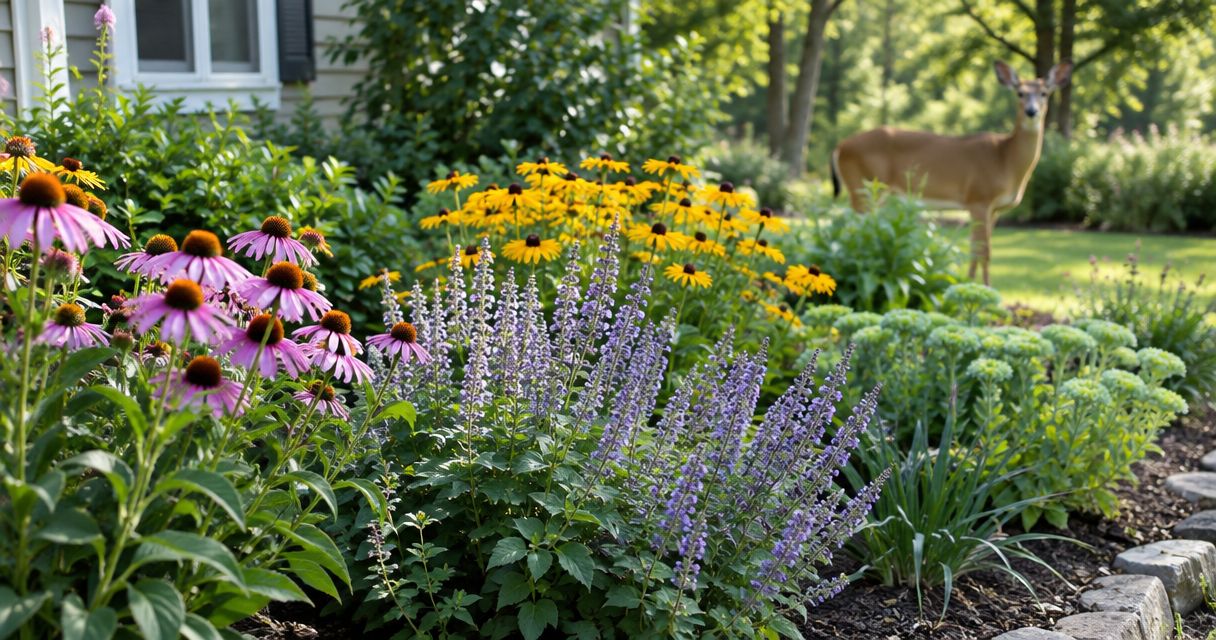
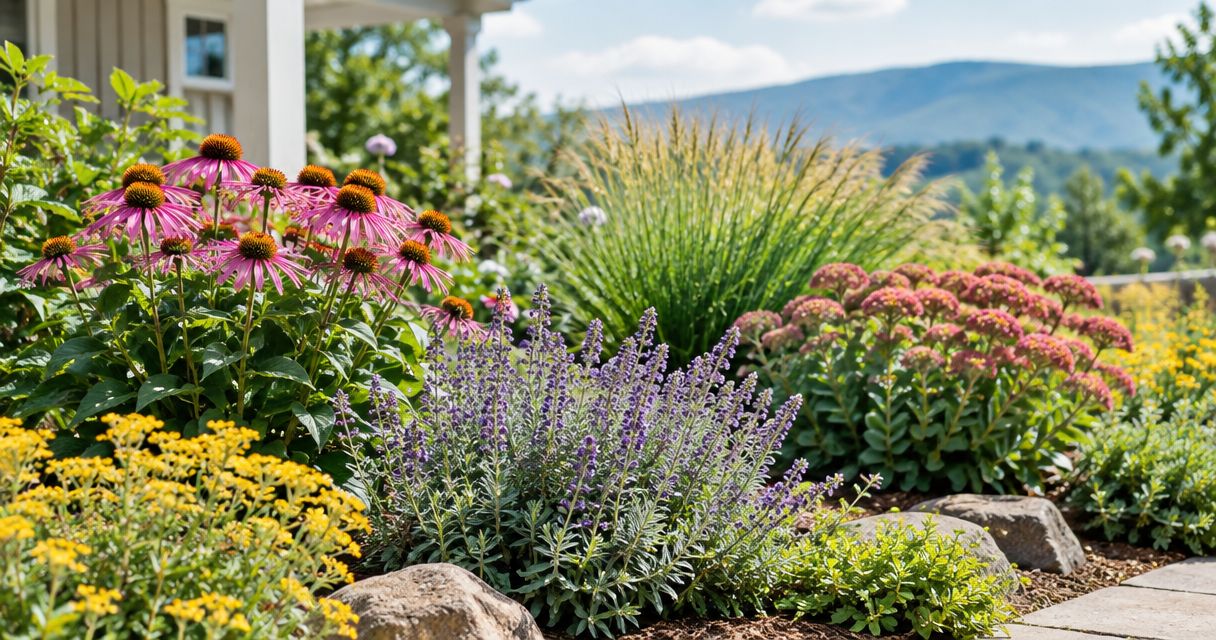
Purple coneflower (Echinacea purpurea) is the default if you want a flowering perennial for a sunny bed that dries between rains. Its upright stems make it easier to place among other perennials than a spreading groundcover. Leave some seed heads standing if you want structure after flowering.
Choose it for average to dry, well-drained soil, not a spot that remains saturated. A newly planted coneflower needs water while its roots move beyond the plug. Drought tolerance develops with establishment; it is not a reason to plant into dry ground and walk away.
Purple coneflower pros:
- Flowers give a mixed border a clear focal point.
- Upright growth pairs with lower plants along the bed edge.
- Standing seed heads extend the planting's visual interest.
Purple coneflower cons:
- Persistent wetness around the crown is a poor fit.
- A shady site reduces its value as a flowering choice.
Best for: A home gardener who wants one dependable starting point for a sunny, reasonably well-drained perennial bed. Purple coneflower wins the general-use slot, but it does not replace a dry-soil specialist on a harsh slope.
Verdict: Buy for a sunny mixed bed; skip for a persistently wet or heavily shaded site.
2. Little bluestem: best drought-tolerant perennial for structure
Little bluestem (Schizachyrium scoparium) is a perennial grass, not a flower chosen for showy petals. Put it where upright foliage can shape a dry, sunny planting through the growing season and remain useful after the flowers around it fade. It fits a different job from purple coneflower.
Give little bluestem sun and soil that drains. In rich soil or shade, the upright habit that makes it useful can suffer. Keep neighboring plants from crowding a young plug while it establishes; the goal is a rooted clump, not an instantly full border.
Little bluestem pros:
- Upright form adds contrast to broad-leaved perennials.
- Suits a sunny planting where soil dries between rains.
- Standing stems give the bed winter structure.
Little bluestem cons:
- Does not provide the large flowers some gardeners want from a border plant.
- Its form is less reliable in shade or overly fertile soil.
Best for: A sunny slope or open bed that needs height and texture more than another flowering plant. Little bluestem is useful beside, not instead of, a flower selected for color.
Verdict: Buy for upright dry-site structure; skip if your only goal is a flower display.
3. Butterfly weed: best drought-tolerant perennial for butterfly habitat
Butterfly weed (Asclepias tuberosa) is a milkweed suited to a sunny, well-drained planting. Its role is specific: milkweeds serve as host plants for monarch caterpillars. Choose it because you want that habitat as well as flowers, not because every pollinator plant performs the same function.
Place butterfly weed carefully the first time. Its deep-rooted growth makes an established plant a poor candidate for repeated moves, and soil that stays wet is a bigger concern than a bed that dries between rains. Mark a new planting so you do not disturb it while waiting for spring growth to appear.
Butterfly weed pros:
- Serves a distinct host-plant role in a butterfly planting.
- Fits a sunny bed with good drainage.
- Adds flowers without requiring a moist planting site.
Butterfly weed cons:
- Poor drainage can undermine the planting.
- An established plant is difficult to relocate without disturbing its roots.
Best for: A gardener with a fixed, sunny location who wants milkweed in a butterfly-focused bed. Check the soil before selecting the location; moving the plant later is not the easy fix.
Verdict: Buy for a well-drained habitat bed; skip for a low spot that stays wet.
4. Spotted beebalm: best drought-tolerant perennial for lean soil
Spotted beebalm (Monarda punctata) gives you a beebalm option for a sunny site with lean, freely draining soil. Do not treat it as a substitute for every other beebalm: plants in the same genus can prefer different growing conditions. This one earns its place where a richer, moister flower bed is not the site you have.
Use spotted beebalm in an open planting rather than forcing it into a damp, crowded corner. Let the soil type determine the choice. If the bed remains moist for long periods, pick a plant suited to moisture instead of assuming any plant labeled drought tolerant will adapt.
Spotted beebalm pros:
- Makes use of a sunny, less-fertile planting area.
- Provides flowers without demanding a rich garden bed.
- Offers a different form from coneflower and ornamental grass.
Spotted beebalm cons:
- Wet soil conflicts with its dry-site strengths.
- Its branching form is less tidy than a compact edging plant.
Best for: A sunny, well-drained area where you want flowers but do not want to turn lean soil into a heavily amended bed.
Verdict: Buy for lean, draining soil; skip for a damp border.
5. Threadleaf coreopsis: best drought-tolerant perennial for an edge
Threadleaf coreopsis (Coreopsis verticillata) combines narrow foliage with yellow flowers. Place it near the front of a sunny border where you can see the foliage as well as the blooms. It fills an edging role that little bluestem's upright form does not.
Allow space for the planting to develop rather than setting plugs tightly against slower neighboring perennials. Threadleaf coreopsis tolerates dry conditions after establishment, but it still needs a rooted start and soil that does not remain waterlogged. If the front of your border sits in shade, select a shade-suited perennial instead.
Threadleaf coreopsis pros:
- Fine foliage contrasts with broader leaves.
- Yellow flowers suit a sunny border edge.
- Fits a bed that dries between rains once established.
Threadleaf coreopsis cons:
- It can spread into adjacent planting space.
- Shade and persistently wet soil weaken the case for it.
Best for: A home gardener who wants flowers and fine texture near the front of a sunny bed, with room to manage the plant's spread.
Verdict: Buy for a sunny border edge; skip for a tight, shaded space.
6. Narrowleaf mountain mint: best drought-tolerant perennial for a patch
Narrowleaf mountain mint (Pycnanthemum tenuifolium) is a flowering perennial with narrow, aromatic foliage. It suits a sunny planting where you want a pollinator-oriented patch rather than one isolated specimen. Its small flowers contribute a different texture from the larger blooms of coneflower.
Give it boundaries you can maintain. Mountain mints can spread, so a narrow bed beside delicate plants is a poor placement even when the light and drainage fit. In a larger bed, that growth habit is easier to manage. Water young plants while they establish before asking them to handle dry periods.
Narrowleaf mountain mint pros:
- Small flowers add another form to a pollinator planting.
- Aromatic, narrow leaves contribute texture outside bloom.
- Fits a sunny bed with room for a patch to develop.
Narrowleaf mountain mint cons:
- Spreading growth needs management.
- A tiny, tightly planted border gives it too little room.
Best for: A gardener with space for a defined patch and time to keep its edges in check.
Verdict: Buy for a roomy pollinator patch; skip for a narrow border.
How we ranked the plants and how to start them
The 2026 ranking puts general usefulness first, then gives each remaining plant its own job. Purple coneflower leads because it fits a common sunny mixed-bed goal. Little bluestem ranks separately for structure, butterfly weed for host habitat, spotted beebalm for lean soil, threadleaf coreopsis for edging, and narrowleaf mountain mint for a larger patch. The order is a decision aid, not a claim that one species survives every dry site better than another.
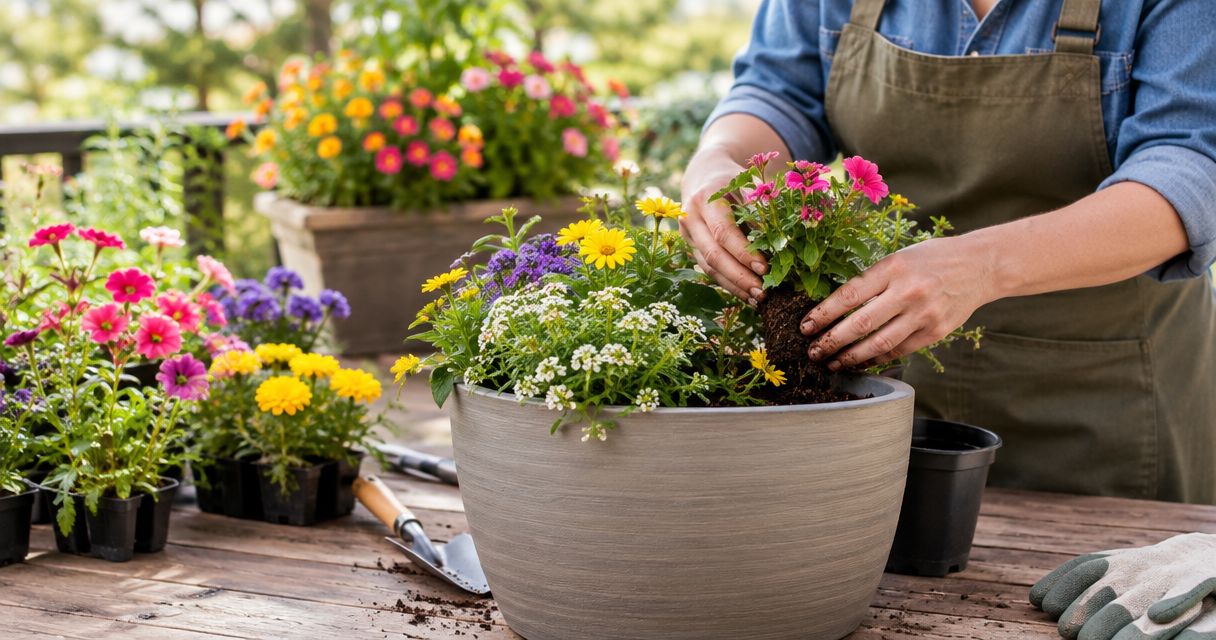
For a new plug, focus on the root zone before drought tolerance. Plant at the depth it grew in its container, water the surrounding soil, and check moisture beneath the surface rather than judging by a dry-looking top layer alone. As a general establishment guide, aim for about 1 inch of water per week from rain and irrigation combined, adjusting to the soil and weather. Add about 2 inches of mulch to help limit surface drying, but keep it back from the plant crown. Avoid treating a wet bed with more routine watering.
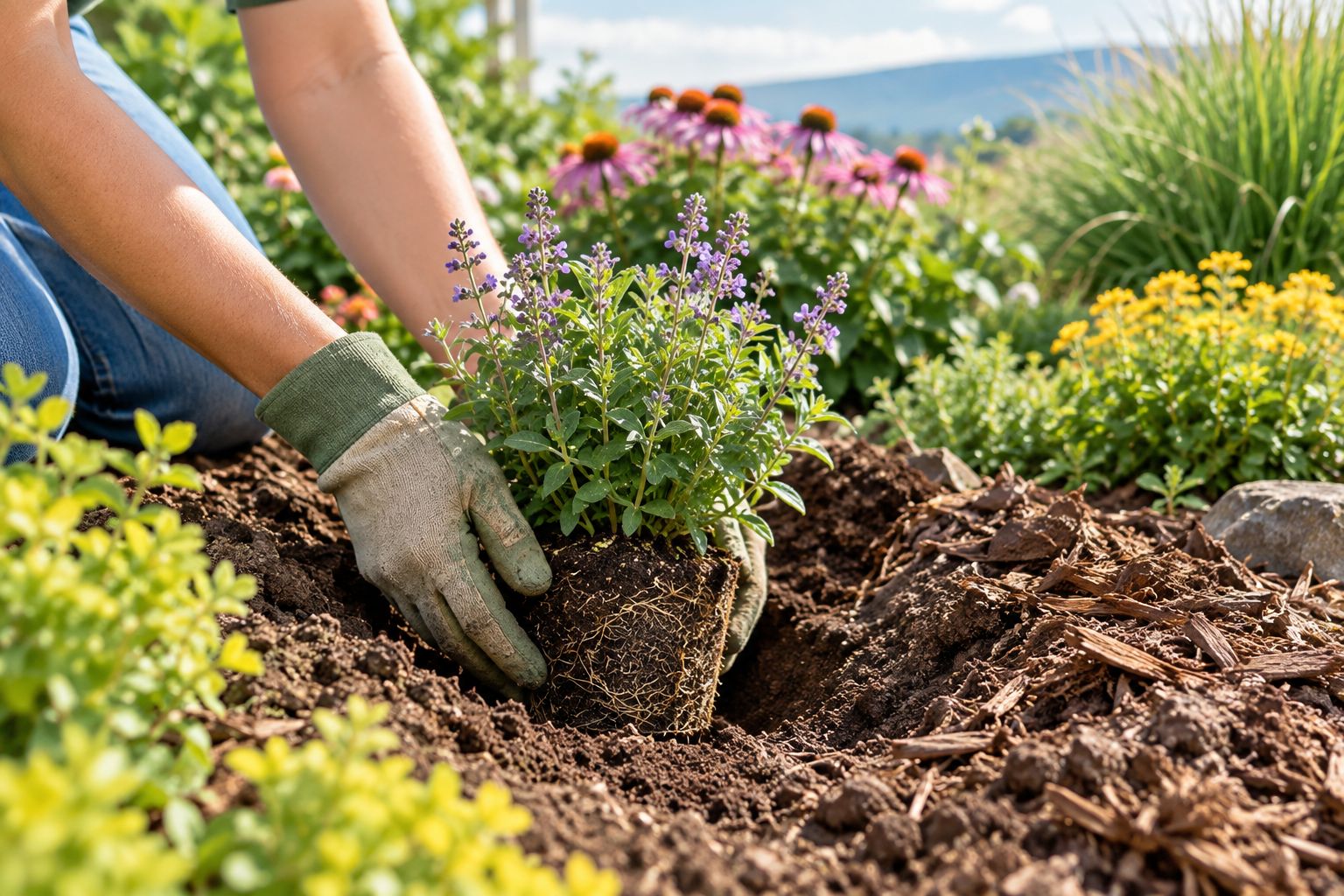
If you buy plugs from Meadows Garden Company, select by the conditions in your bed and confirm the current catalogue before making a planting plan around a particular species. A shipped plug is smaller than a mature perennial. Give it space for its eventual growth habit rather than arranging plugs only by how they look on planting day.
Which drought-tolerant perennial should you choose?
Choose purple coneflower if you have a sunny, well-drained mixed bed and want one default flowering perennial. Choose little bluestem if the bed needs upright structure. For a butterfly-focused planting, use butterfly weed where its roots will not sit wet. These recommendations solve different problems; buying all three does not fix a site with poor drainage or too little sun.
For a lean, dry patch, start with spotted beebalm. Put threadleaf coreopsis along an edge only if you can allow for spread, and give narrowleaf mountain mint a larger area with manageable boundaries. In 2026, the useful question is not which plant carries the strongest drought-tolerant label. It is which plant fits the dry site you actually have.
Meadows Garden Company sells perennials and flower plugs for Virginia gardeners, but this list is not a stock report. Check the current catalogue for the plants you select. Confirm the bed's light and drainage before you decide how many plugs it can accommodate.
FAQ
What is the best drought-tolerant perennial for a Virginia garden?
Purple coneflower is the best general choice for a sunny, well-drained Virginia perennial bed. Choose another plant if your main goal is grass structure, monarch host habitat, or a spreading patch.
Can I plant drought-tolerant perennials in shade?
The plants ranked here are choices for sunny sites, not a dry-shade planting list. Check the light beneath trees before selecting a perennial, because tree roots also compete for water.
Do drought-tolerant plugs need watering after planting?
Yes, newly planted plugs need watering while their roots establish in the surrounding soil. Drought tolerance describes an established plant, not permission to leave a fresh planting dry.
Is butterfly weed better than purple coneflower for monarchs?
Butterfly weed is the choice when you need a milkweed host plant for monarch caterpillars. Purple coneflower serves a different role as a flowering perennial for a mixed bed.
Which perennial suits a dry, sandy spot?
Spotted beebalm is a strong match for a sunny, lean site with freely draining soil. Check that the spot receives enough sun and does not stay wet after rain.
Will narrowleaf mountain mint stay in a small border?
Narrowleaf mountain mint can spread, so a small, tightly planted border is not its best use. Give it a defined patch and maintain the edges.
Are flower plugs the same as seeds?
No. A flower plug is a young plant with roots; a seed must germinate before it becomes a plant. Both need conditions suited to the species, and a new plug still needs establishment care.
One last thing
A dry bed is not always a full-sun bed. Before you buy a plant from Meadows Garden Company or elsewhere in 2026, check the light where its roots will grow, not just whether the soil feels dry. That single check prevents you from putting a sun-loving perennial beneath thirsty trees.